Archaeology Fund
Archaeology Collection
The Archaeology Fund preserves up to 10,000 items, divided into various collections: archaeology, numismatics, sphragistics, and bonistics. It houses monuments of Colchian material culture, dated to the Late Bronze and Early Iron Ages (approximately 15th–7th centuries BC).
Artifacts were discovered in collective Colchian burial pits studied at the cemeteries of Tsaishi and Ergeta in Samegrelo, as well as in Tagiloni, where they appeared as hoards.
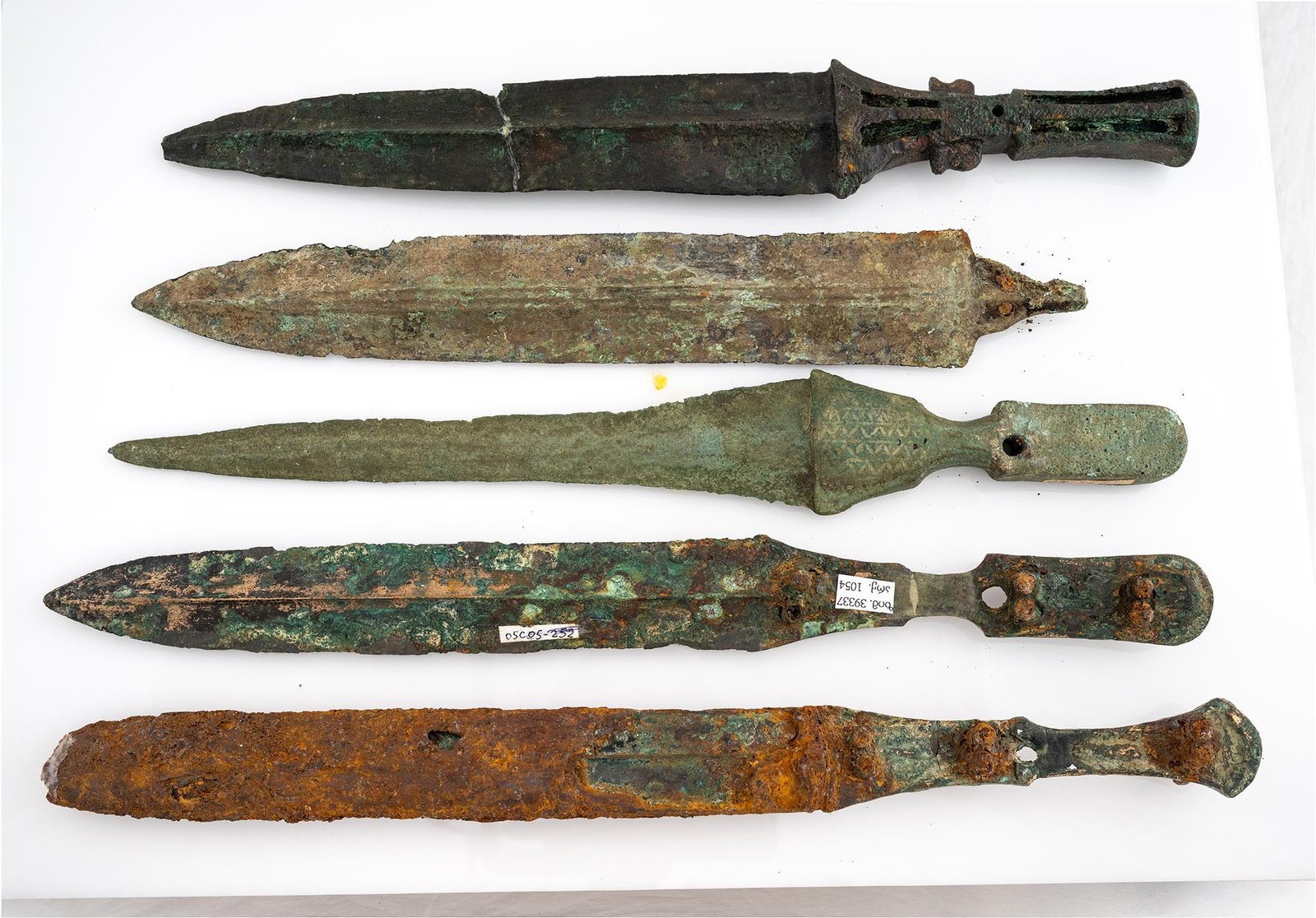
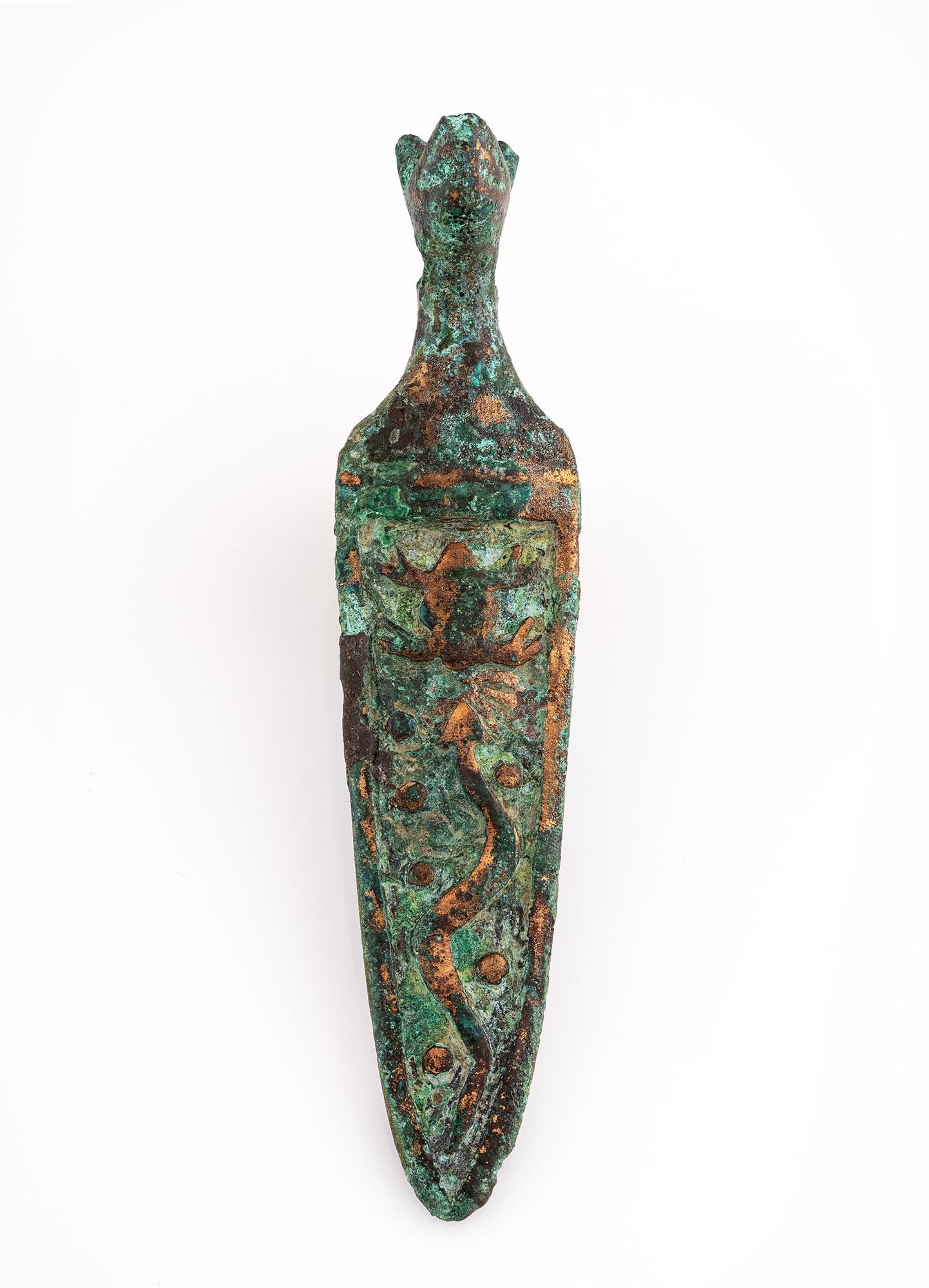
Numerous bronze and iron weapons characteristic of Colchian culture are preserved here, including various types of arrowheads, daggers, and Colchian axes. A rare find from Tagiloni is a bronze Colchian axe together with its casting mold. One dagger is particularly notable: its scabbard was likely made of iron, while the blade itself was bronze. Such bimetallic weapons are rarely found in Colchis or in contemporary archaeological cultures.
Tools related to agricultural and industrial activities are also present: bronze segment‑shaped hoes, grinding stones, as well as bronze kitchenware, small bowls, and fragments of situlae.
Artifacts of Clothing, Adornment, Beliefs, and Rituals
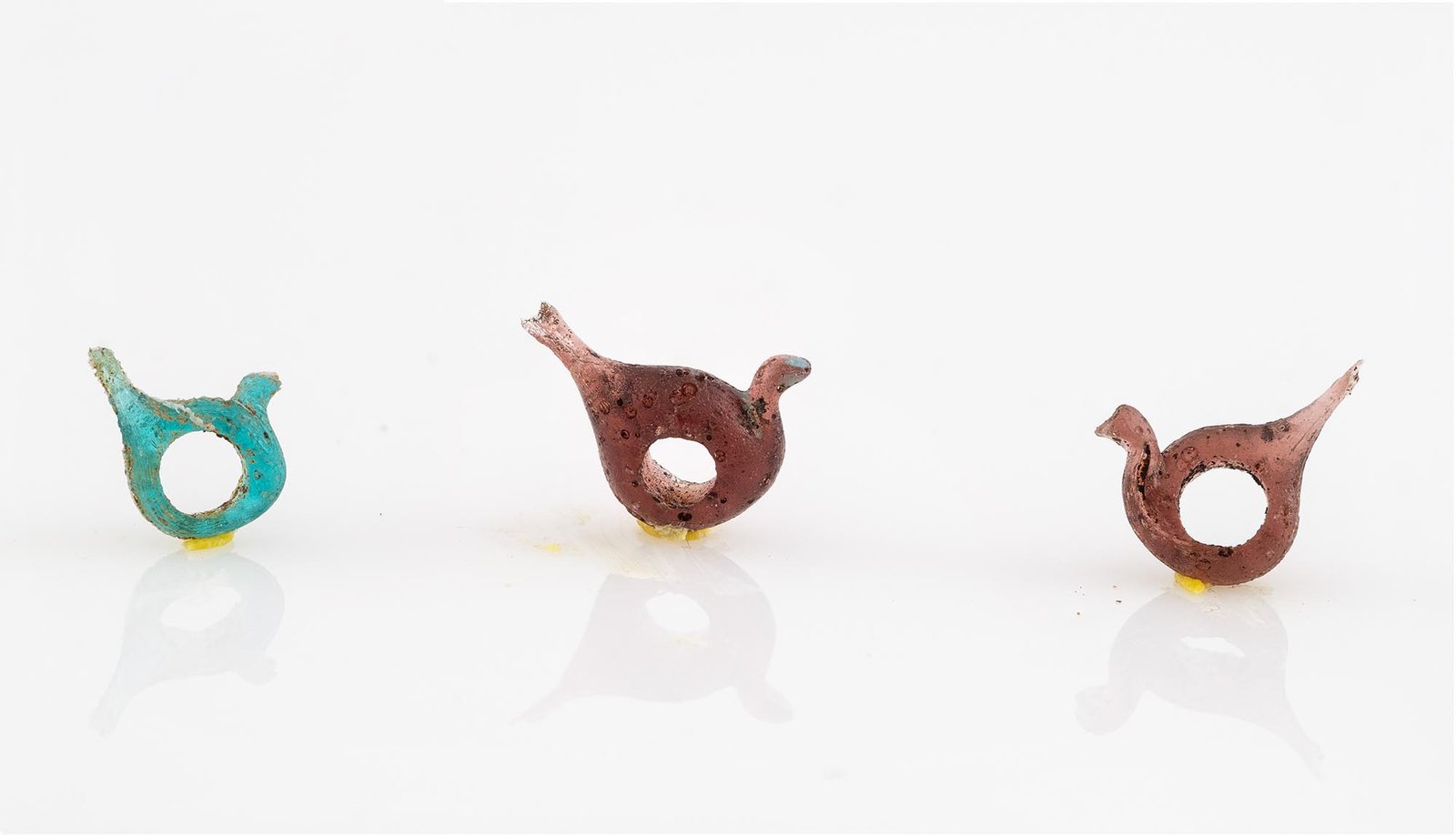
Interesting artifacts related to clothing and adornment include pendants with depictions of rams, birds, ducks, and geometric motifs; pins, tweezers, a Scythian‑type clasp with a wolf figure, buttons, buckles, bronze and iron fibulae, rings, clasps, bracelets, and necklaces.
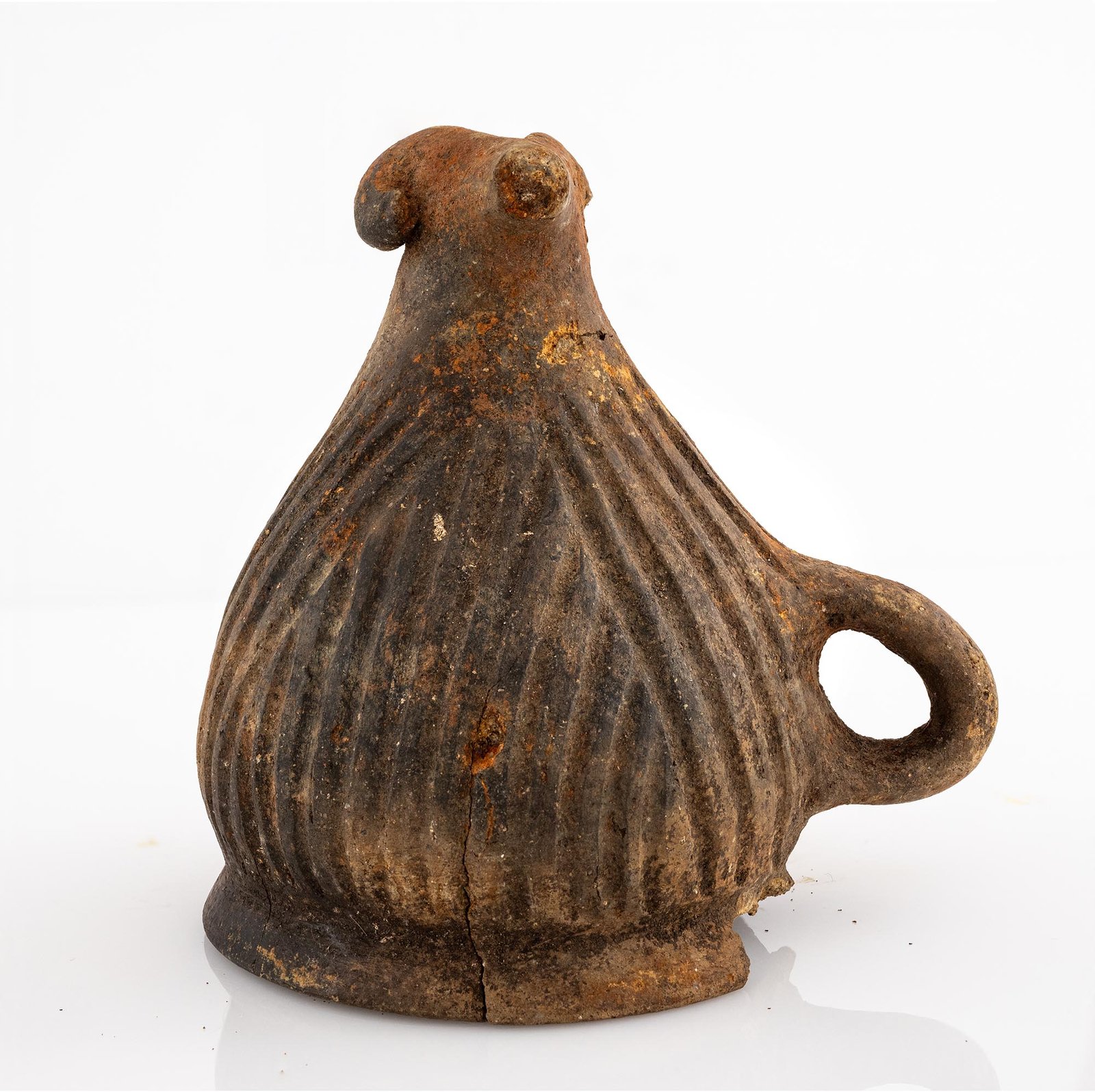
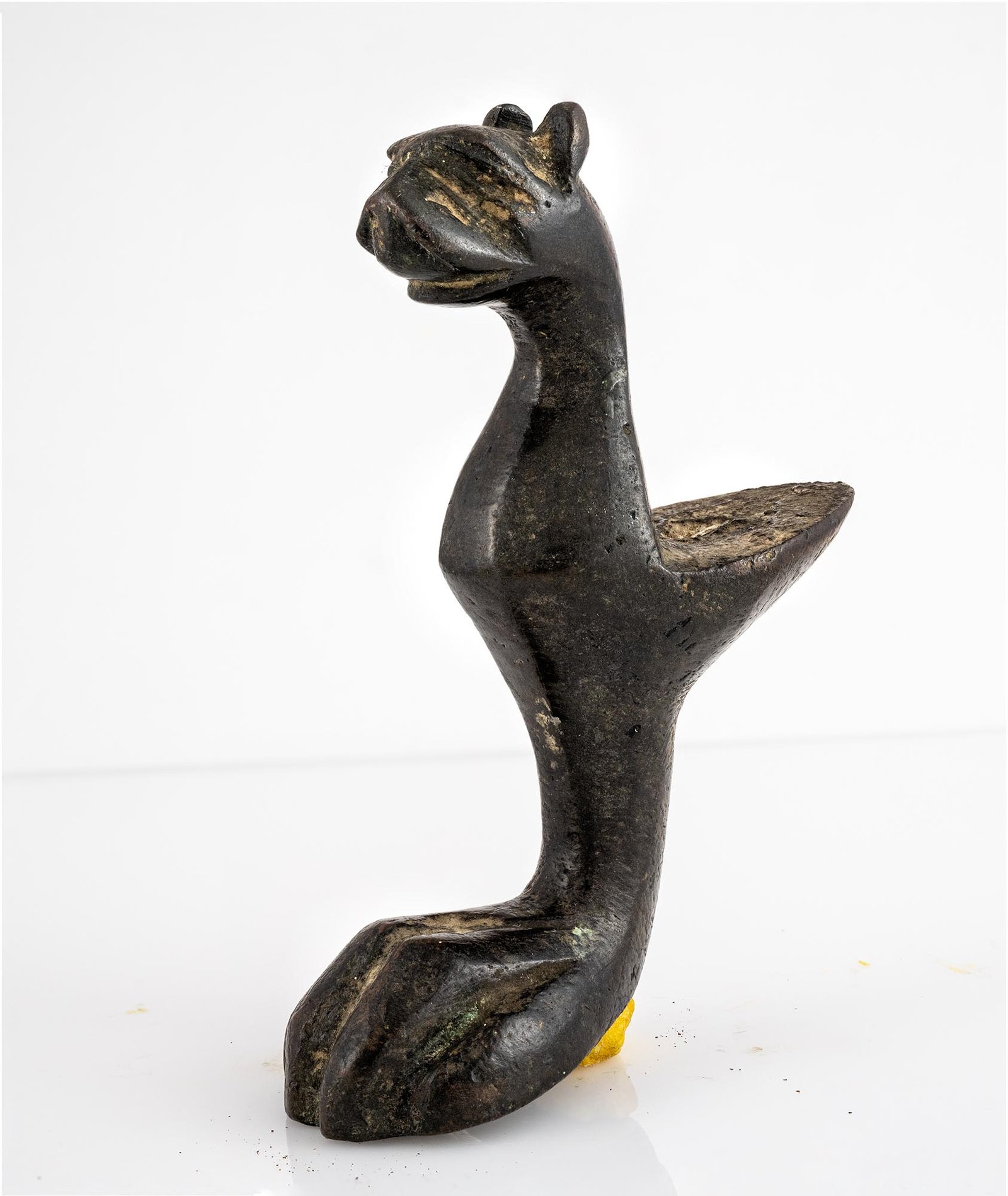
Artifacts connected with ancient beliefs and rituals comprise miniature daggers with zoomorphic handles, Colchian axes, and ceramic vessels.
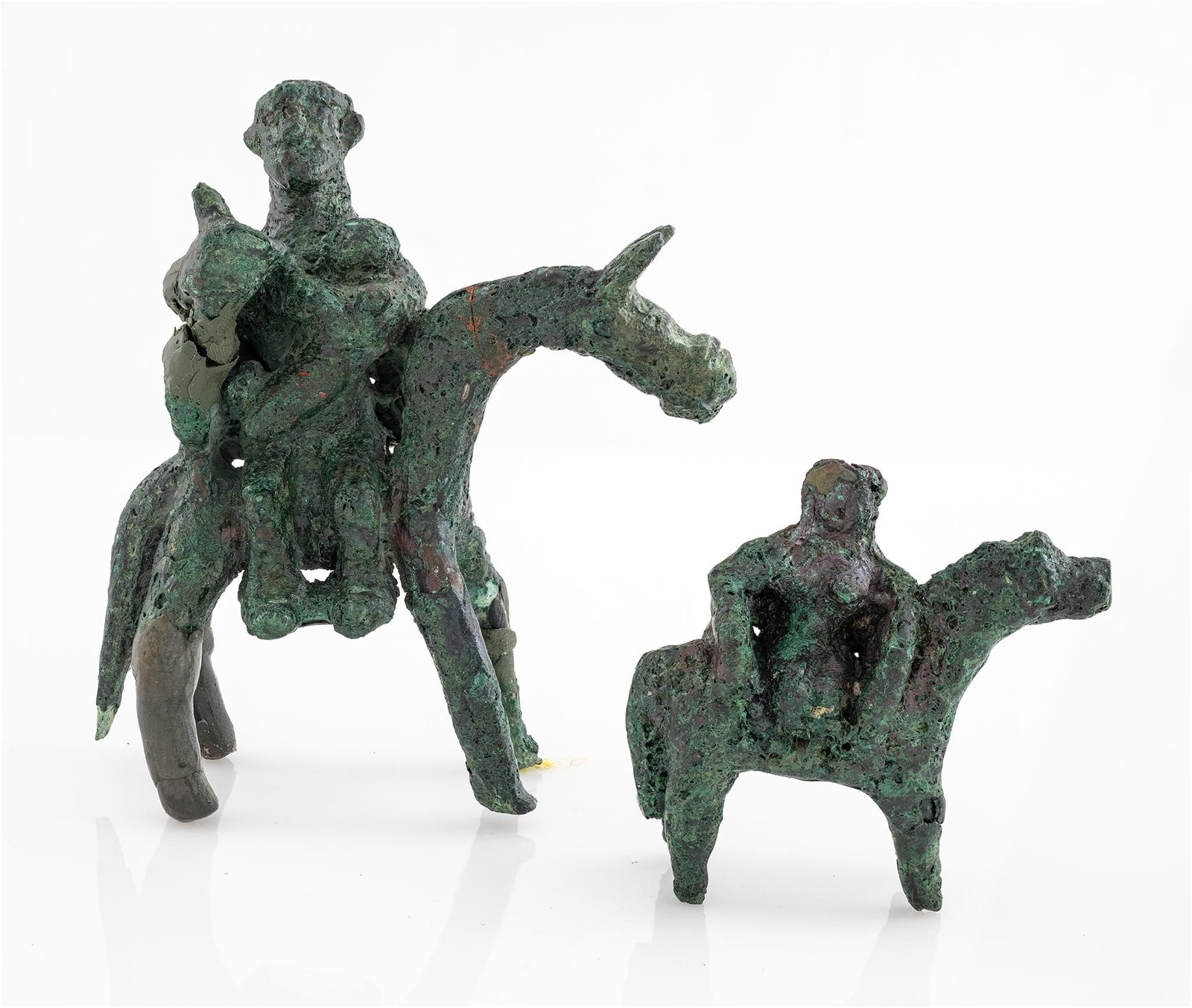
Of particular importance are the bronze zoomorphic and anthropomorphic figurines discovered in the collective Colchian burials of Tsaishi and Ergeta: a horsewoman, and horsewomen with children. These finds have parallels in archaeological monuments of Greece. The direct analogy of horsewomen with children is found at the Heraion Temple on the island of Samos, dated similarly to the 8th–7th centuries BC.
Highly noteworthy are the bead ornaments discovered at Tsaishi and Ergeta. Numerous white opal beads, dating to the first quarter of the 1st millennium BC, were found. Beads of jet, dating to the second half of the 2nd millennium BC and the first quarter of the 1st millennium BC, were also discovered, along with bead ornaments made of stone and various minerals from the same period.
The collection includes faience beads, as well as transparent and opaque glass paste beads. Mountain crystal and talc beads are of interest, while sardonyx stands out as a mineral highly valued not only in antiquity but also in later periods, where it is frequently found, for example, in the decoration of icons alongside other semi‑precious stones.
Also remarkable is the hoard discovered in Ergeta: a large collection of ancient Georgian currency — Colchian tetri — dated to the 6th–3rd centuries BC. The Colchian tetri represents one of the factual proofs of the existence of the ancient Georgian state, the Kingdom of Colchis.