Applied Arts Fund
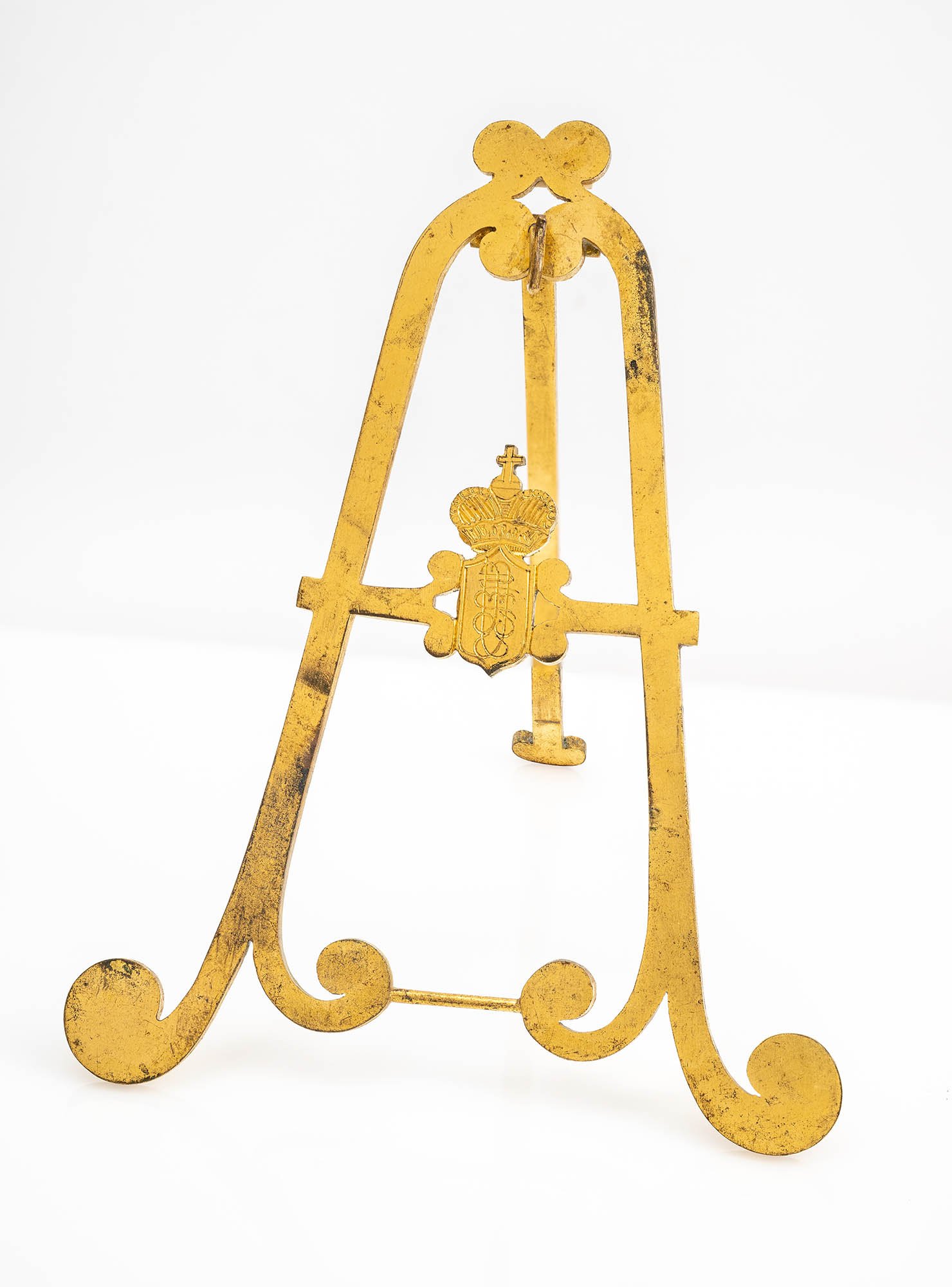
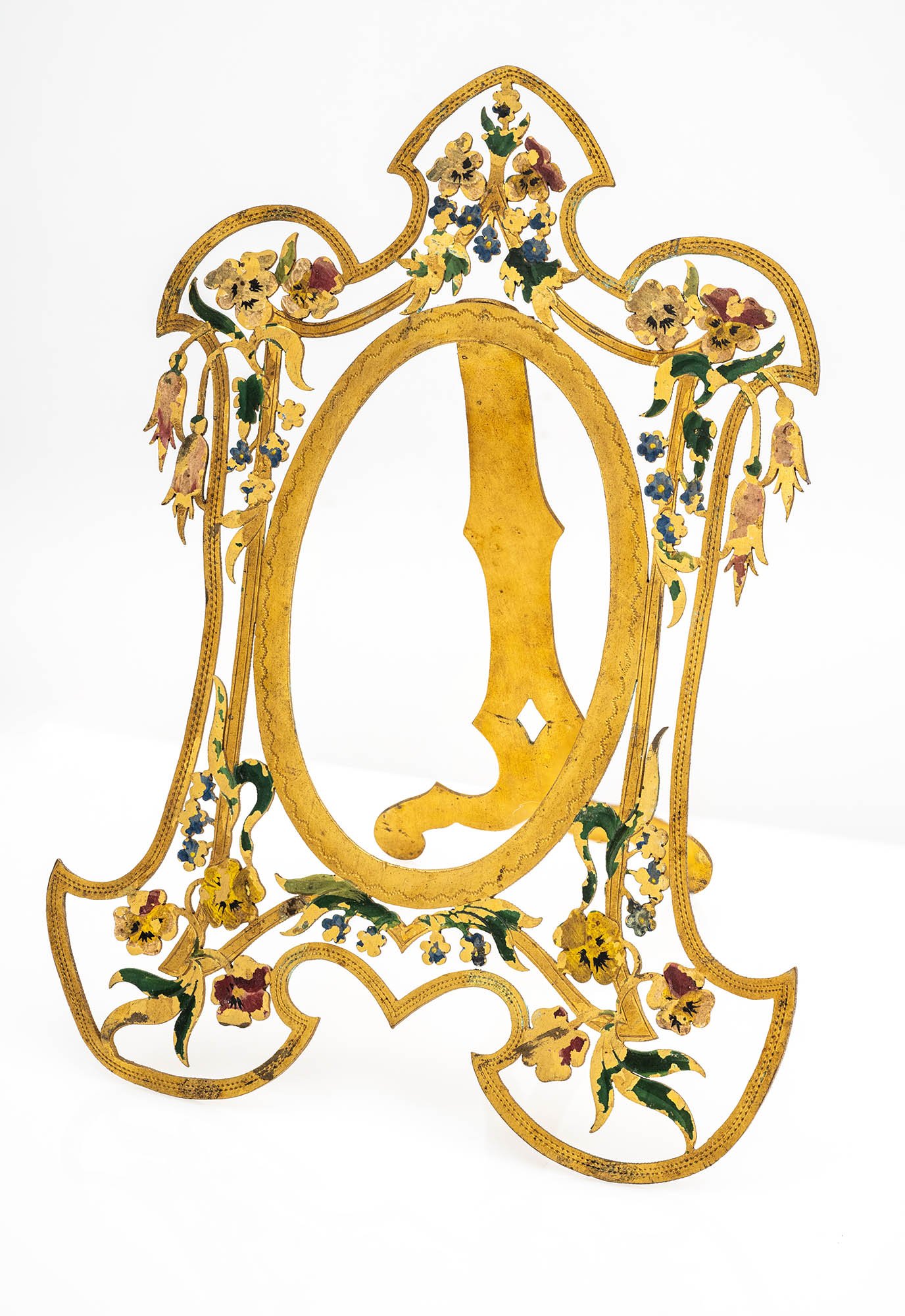
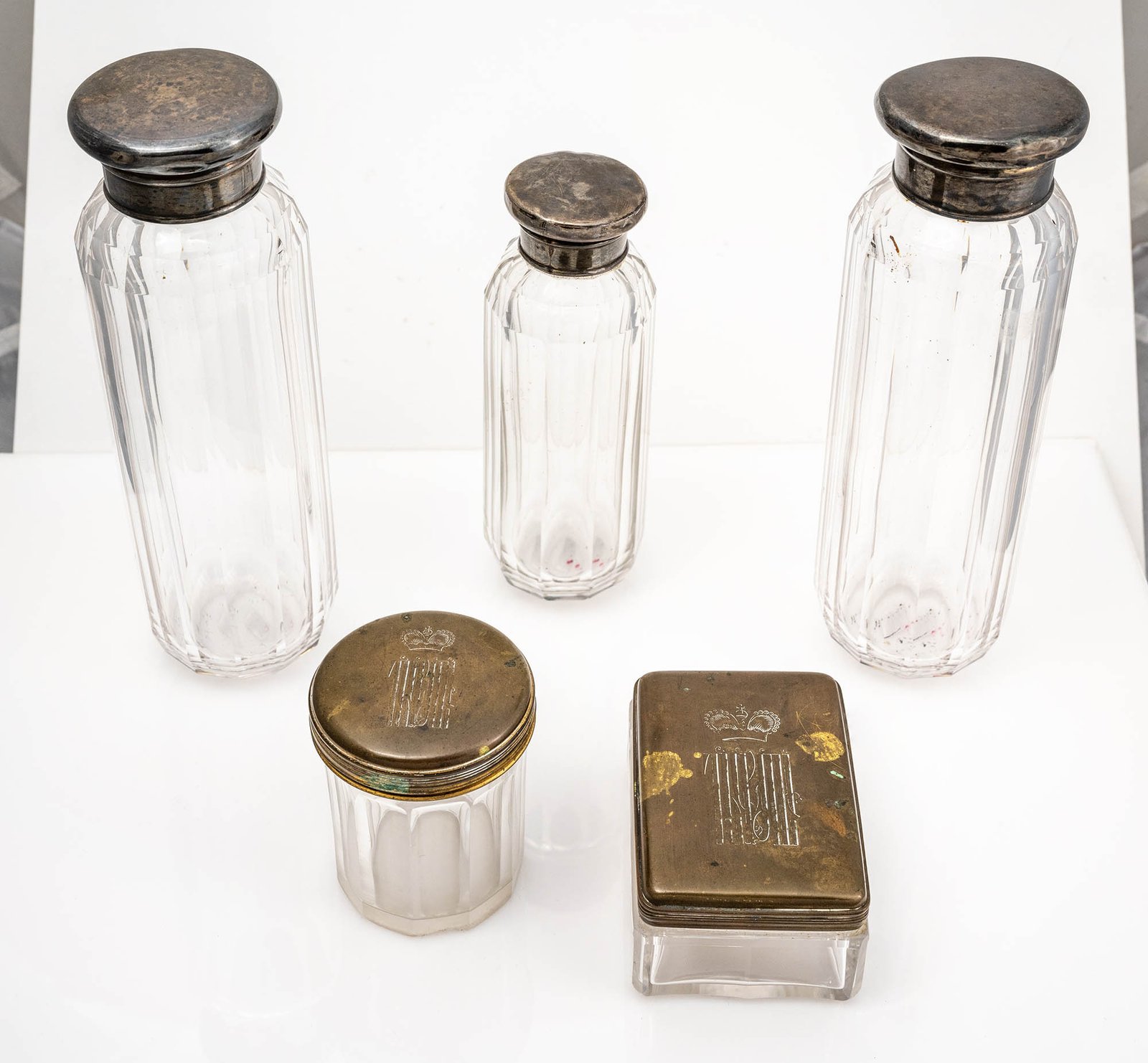
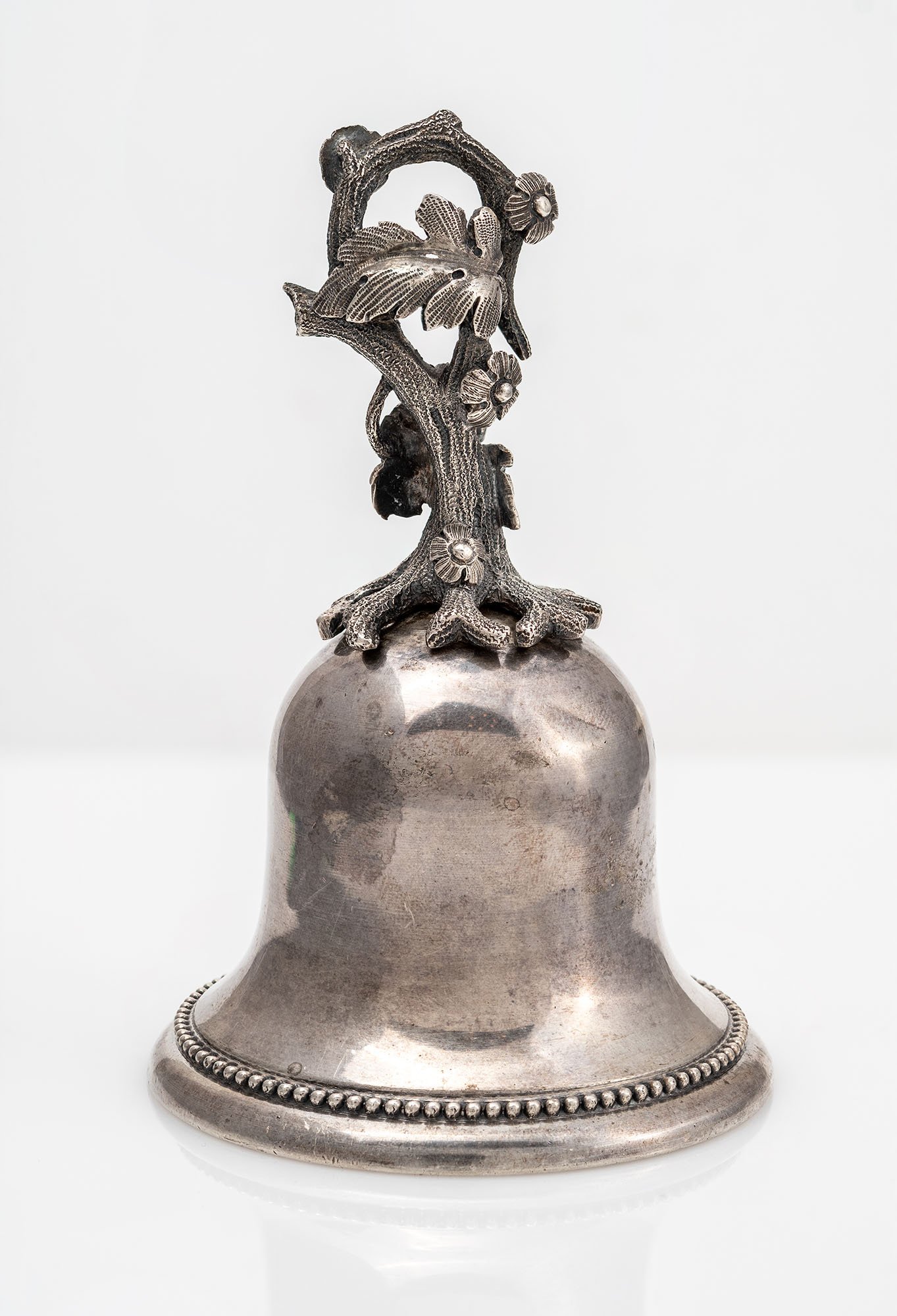
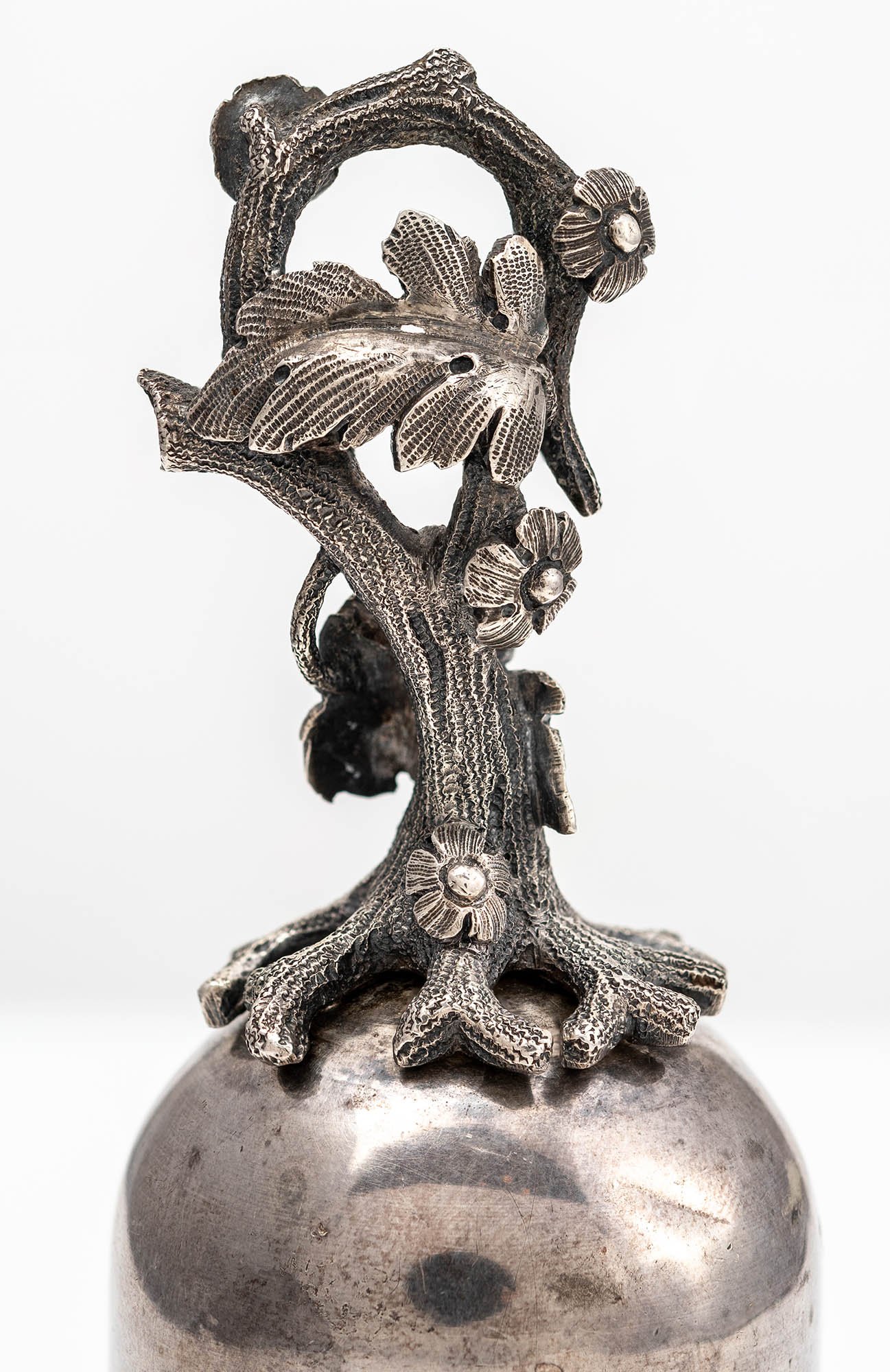
The Dadiani family maintained relations with Europe centuries ago and played a major role in introducing European culture and civilization. Consequently, their collection accumulated items reflecting the European school. The finest example of this uniqueness is the collection preserved in the Applied Arts Fund, which includes porcelain, crystal, faience, French faïence, metalwork, cold and firearms.
These materials date to the 19th century and were produced in Europe and Russia. They are of particular importance, as each piece was crafted individually in renowned royal and imperial factories. They stand out for their high quality of execution and technology, refined and diverse ornamentation, stamps, coats of arms, and monograms, which indicate the specific workshops where each item was made. These unique exhibits are adorned with the initials of David Dadiani, the last ruler of Samegrelo, Queen Ekaterine Chavchavadze, and their children.

A rare collection of military and hunting weapons is richly decorated with foreign inscriptions, mother-of-pearl, silver plates, vegetal ornaments, stamps, and monograms.
From the porcelain collection, a white service set with the monogram “DD” was produced in Eduard Honores’ Imperial workshop and belonged to the head of the family, David Dadiani.
The red porcelain service set with the monogram “NM” (Niko Mingrelski) was manufactured in Moscow at Matvey Kuznetsov’s porcelain factory.
Another porcelain service, alternating white and blue, inscribed “Gordi” and “NM” (Niko Mingrelski), was produced in Russia at the Imperial workshop of Alexander II, specifically for the palace in Gordi, where the Dadianis had their summer residence.
A faience service set inscribed “Ekaterine” belonged to Queen Ekaterine Chavchavadze and was manufactured in England at an Imperial workshop.
The collection also includes tableware produced by Villeroy & Boch, one of the world’s most prestigious international brands, founded in 1748.
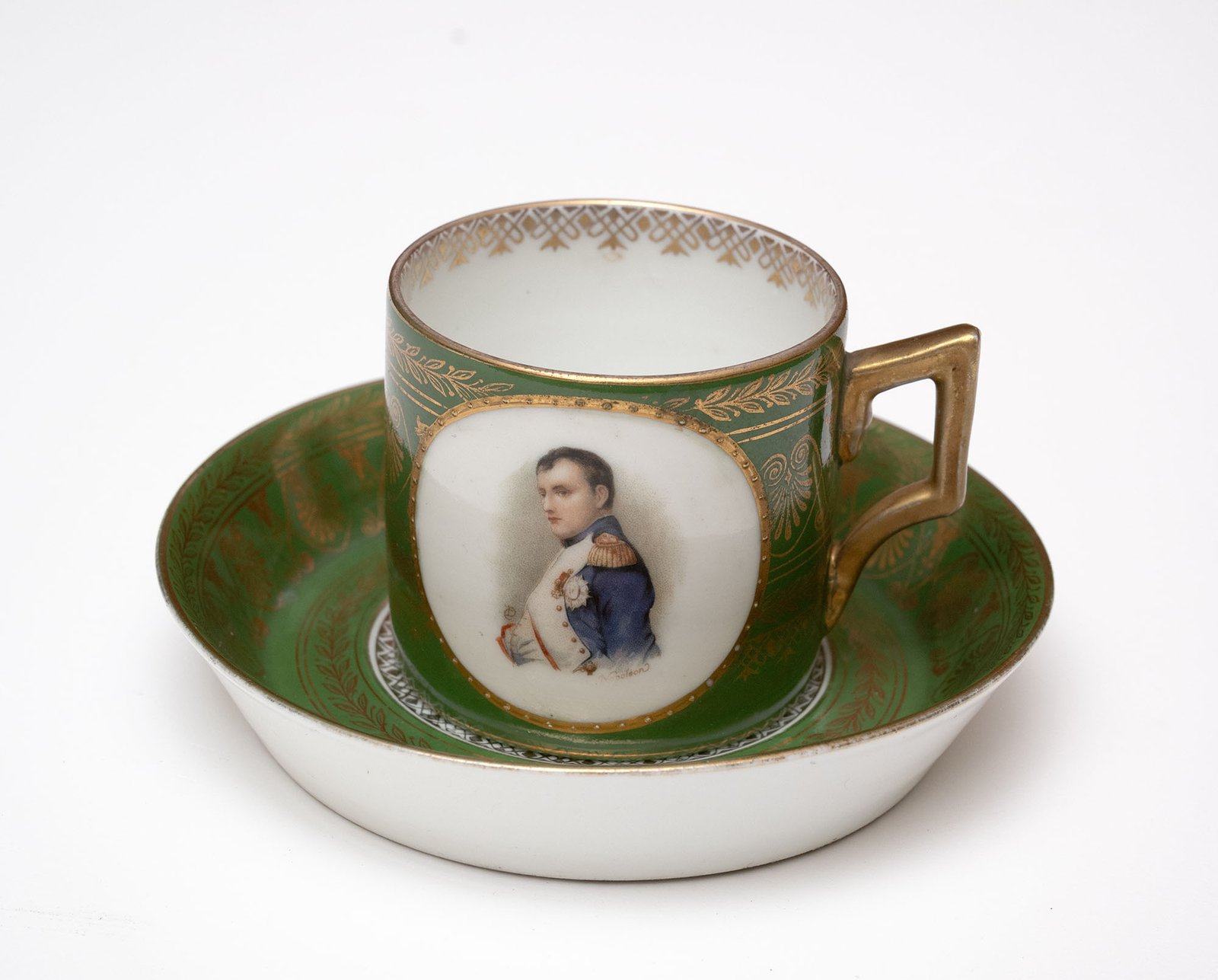
A green cup-and-saucer set with golden decoration depicts a portrait of Napoleon I. It was his personal possession and was preserved in Prince Achille Murat’s house as a treasured relic.
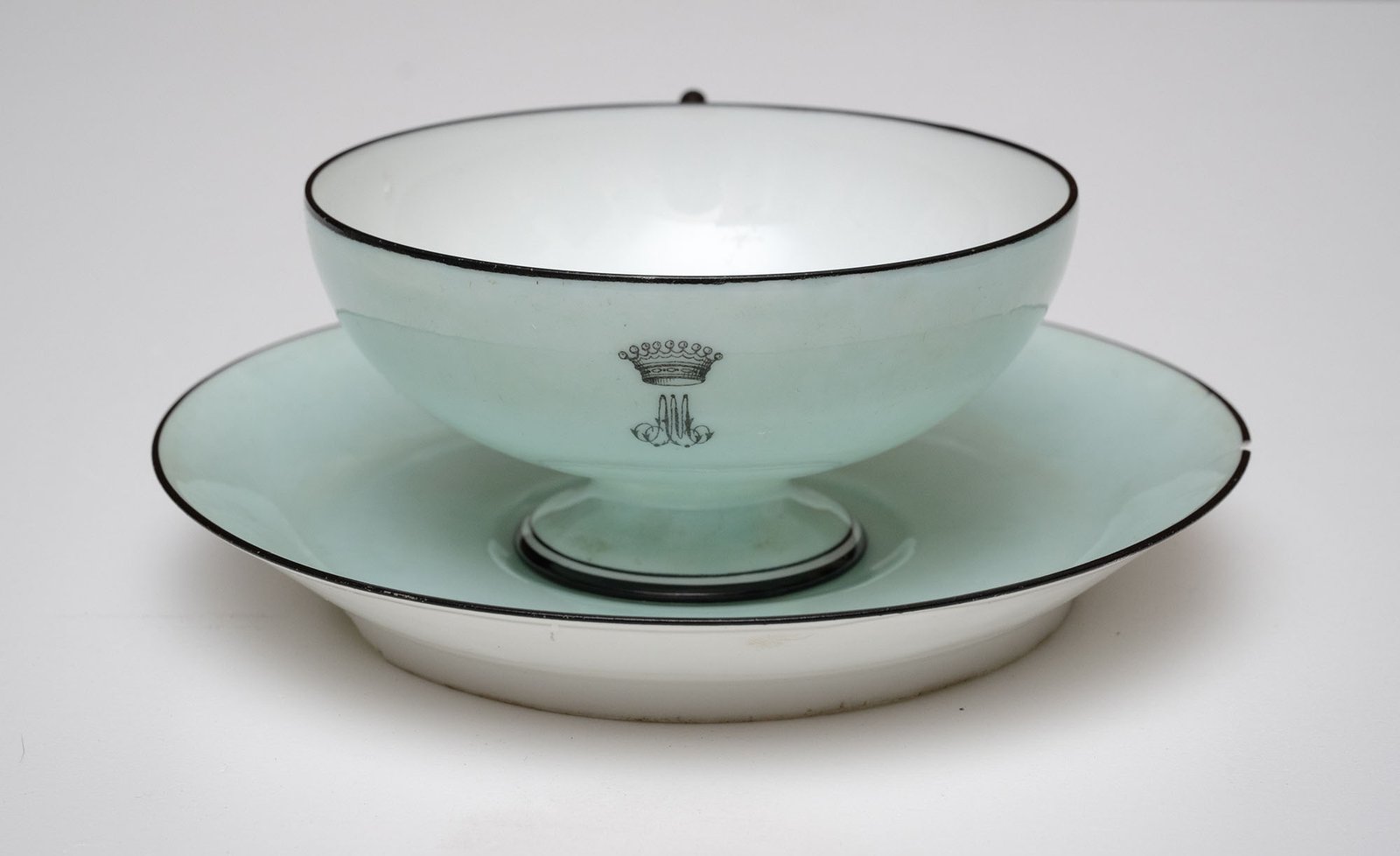
A set of French tableware, adorned with the princely crown, was produced in Paris at Charles Christofle’s renowned goldsmithing and tableware factory.
From the French collection, a lamp was created by the world-famous 19th‑century French sculptor and animalist Pierre-Jules Mène.
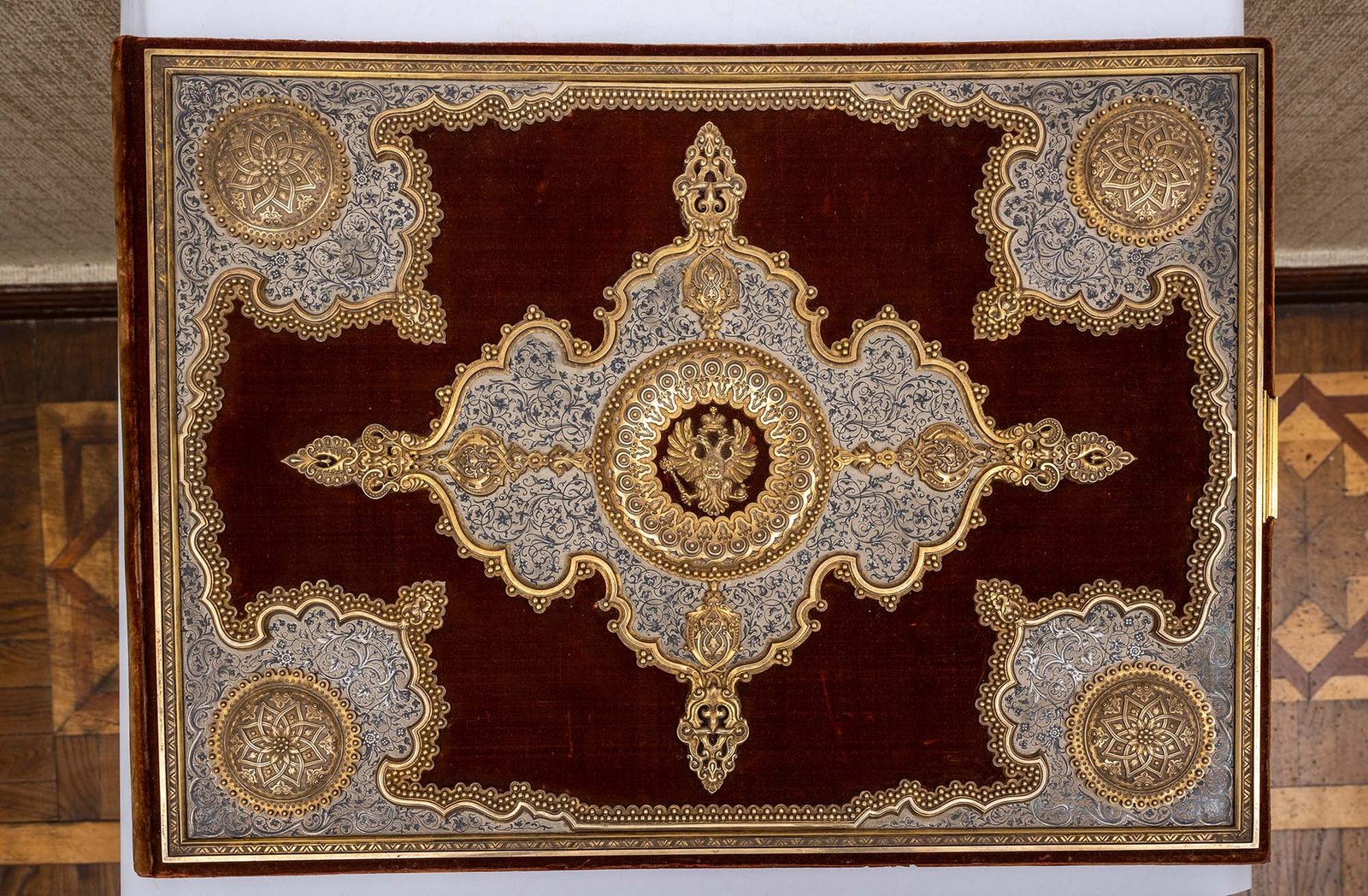
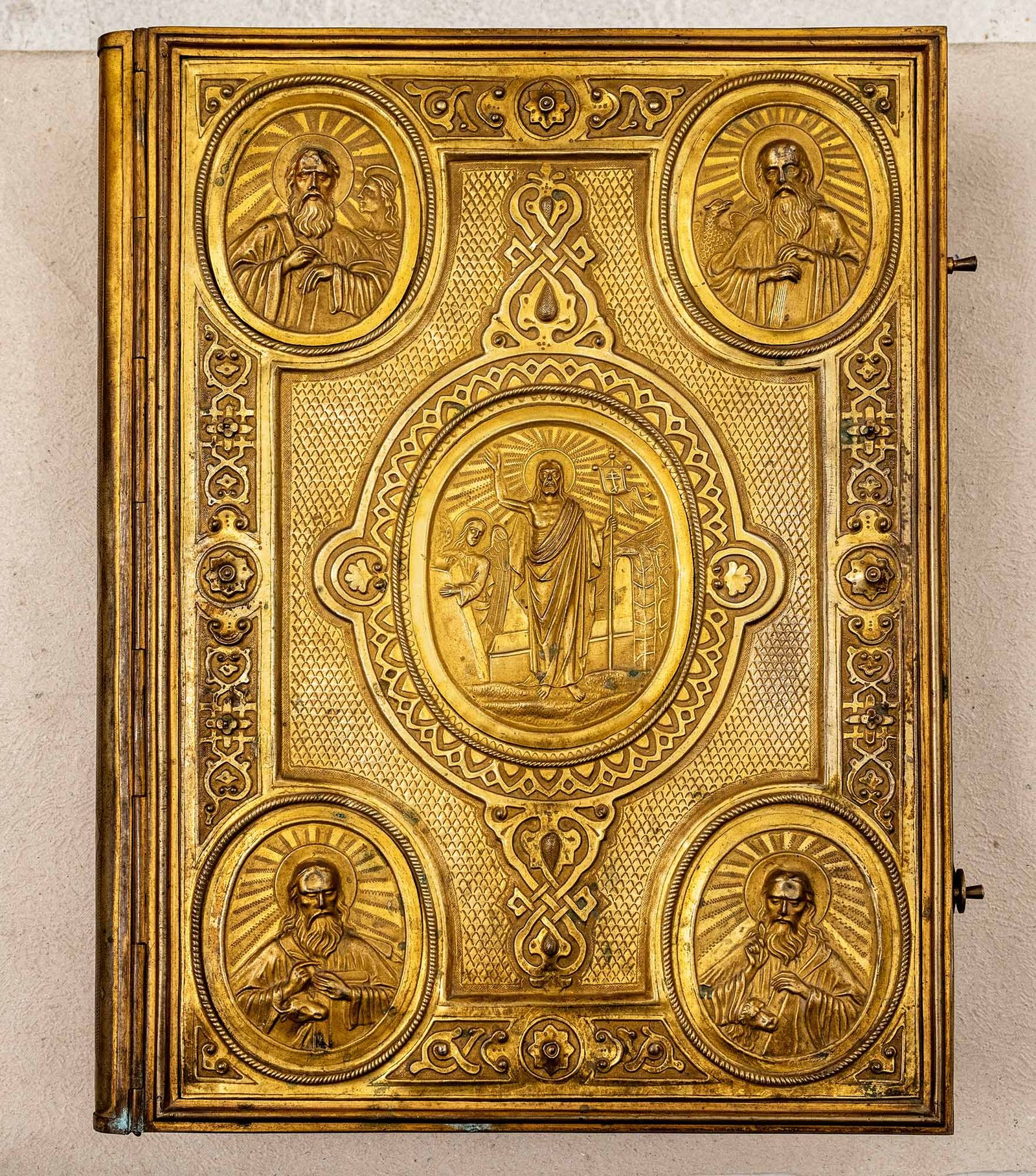
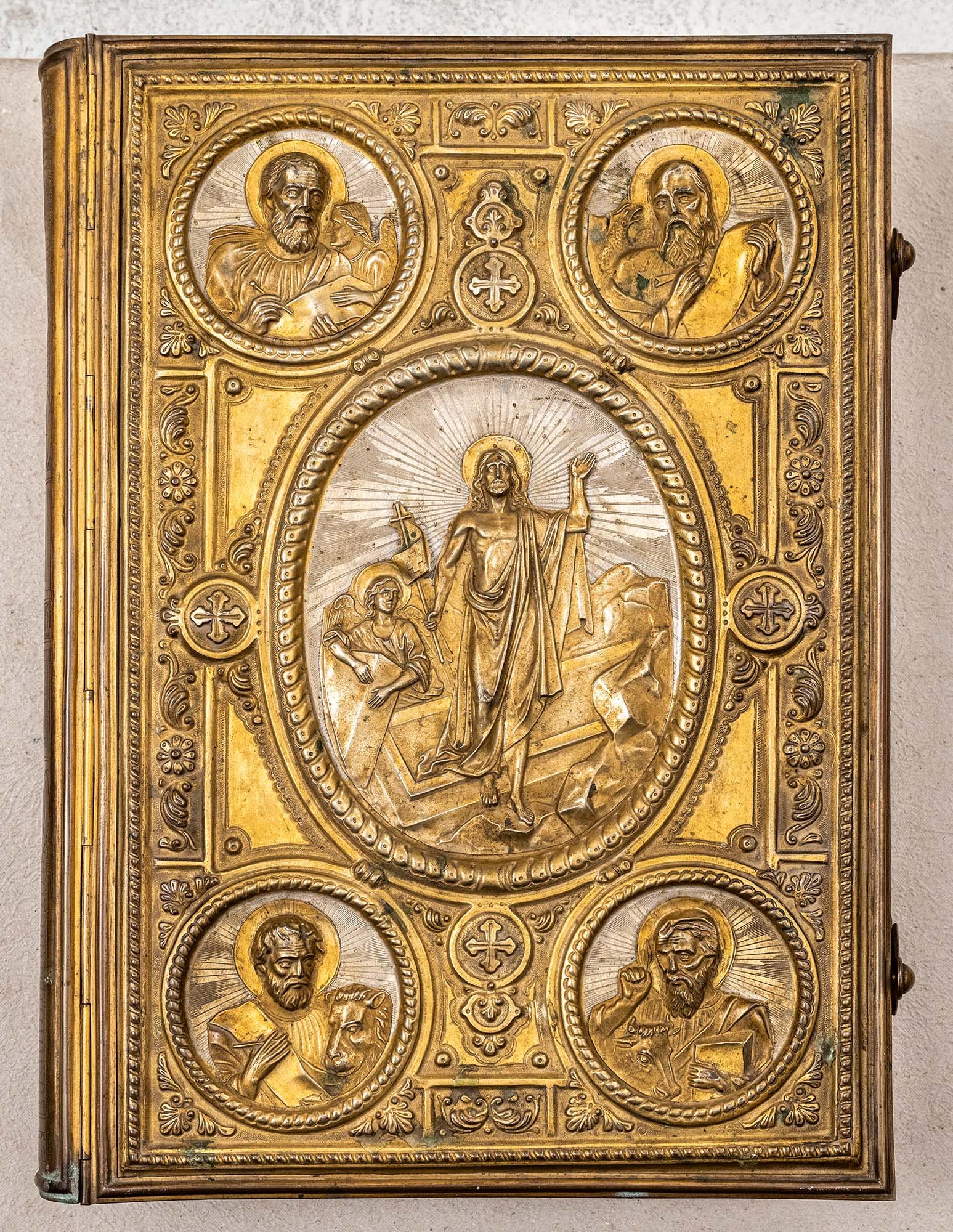
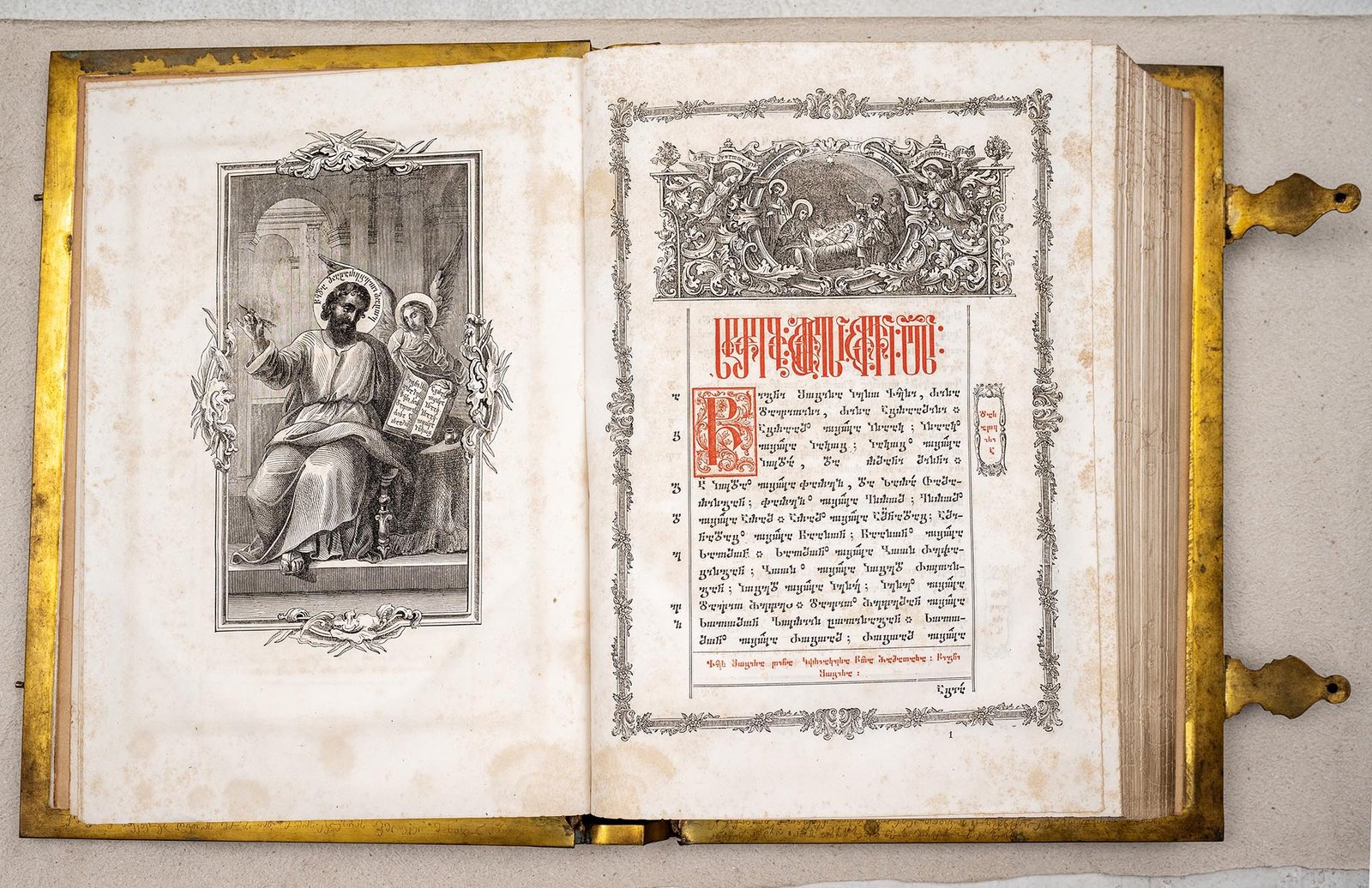
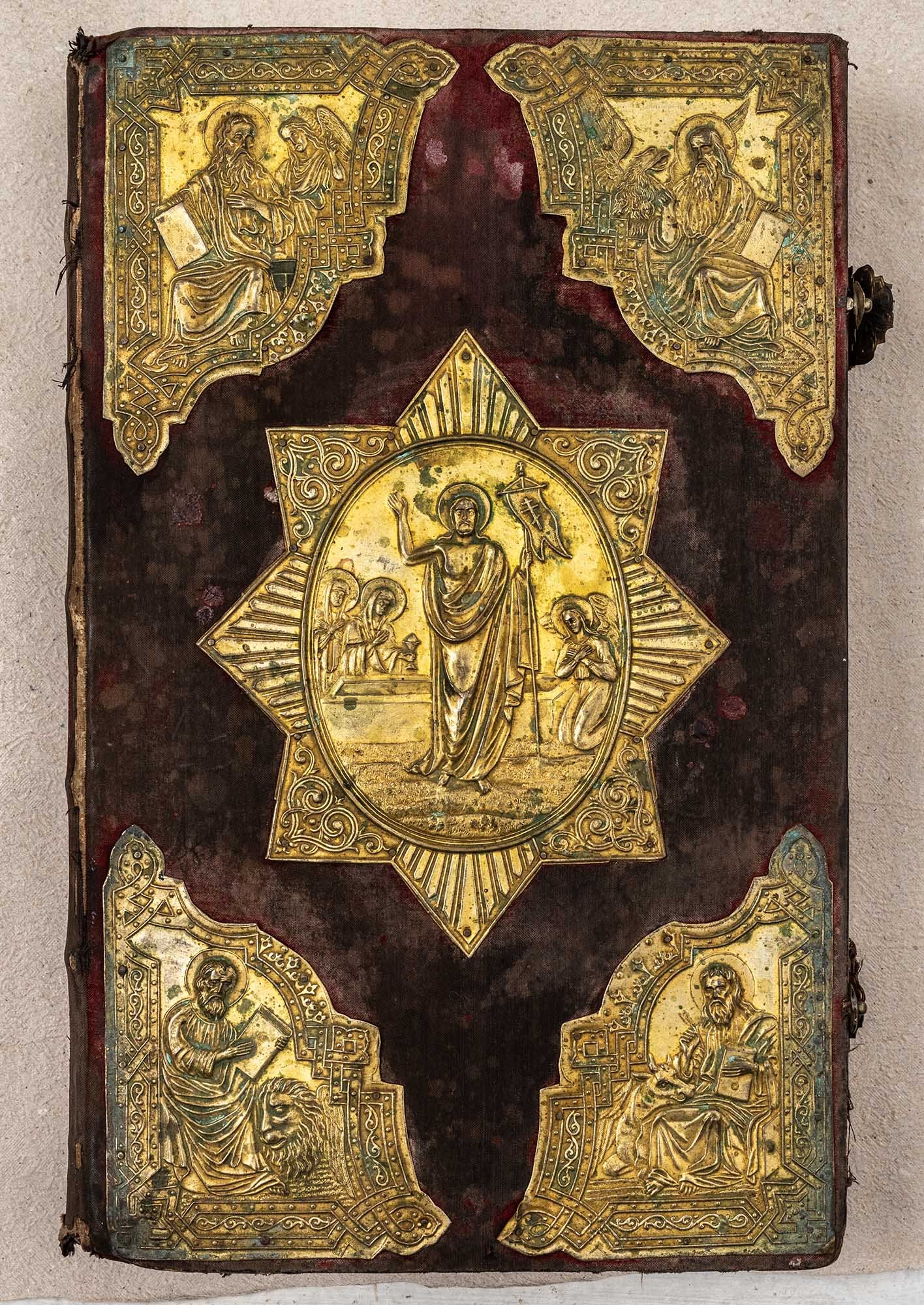
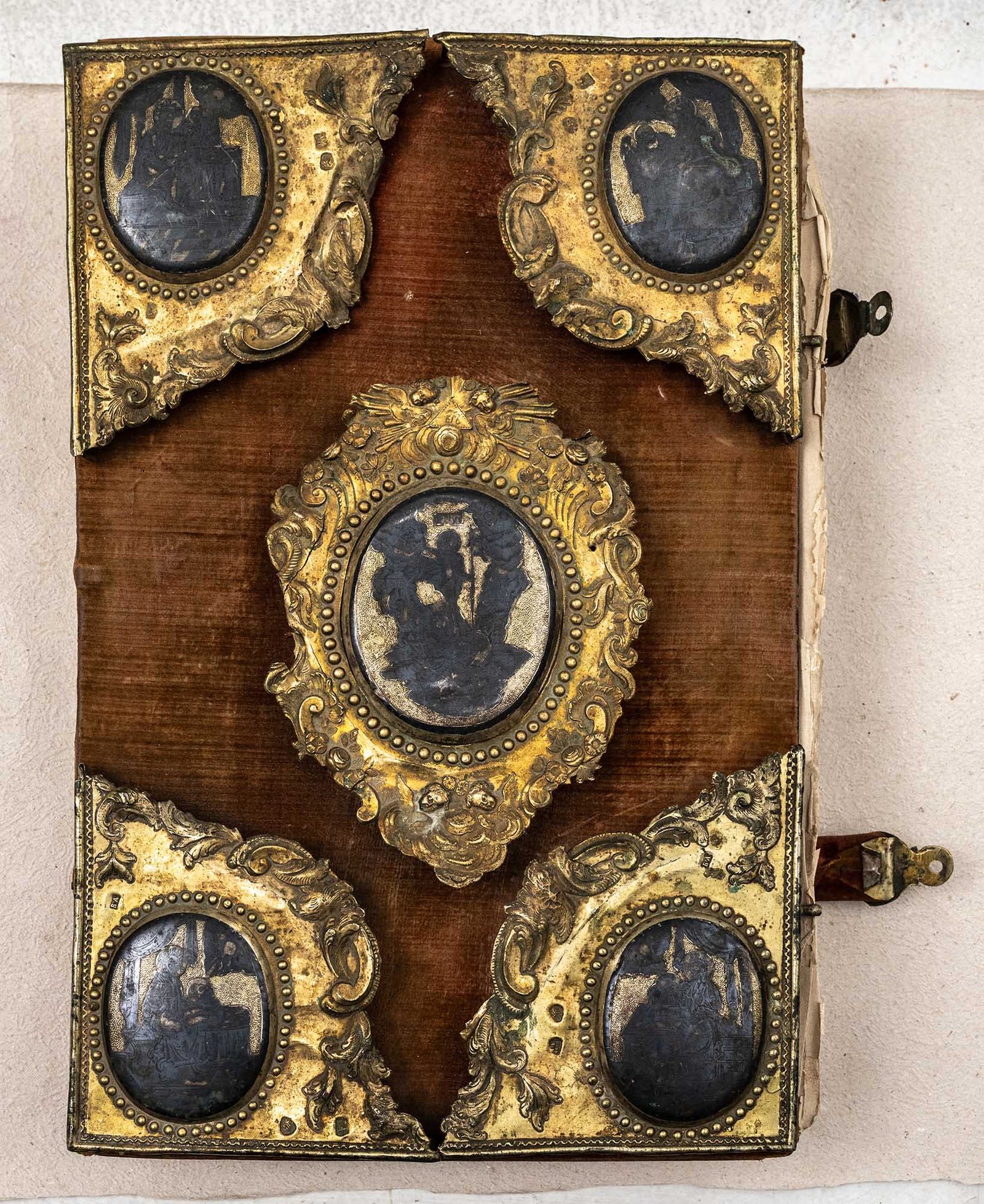
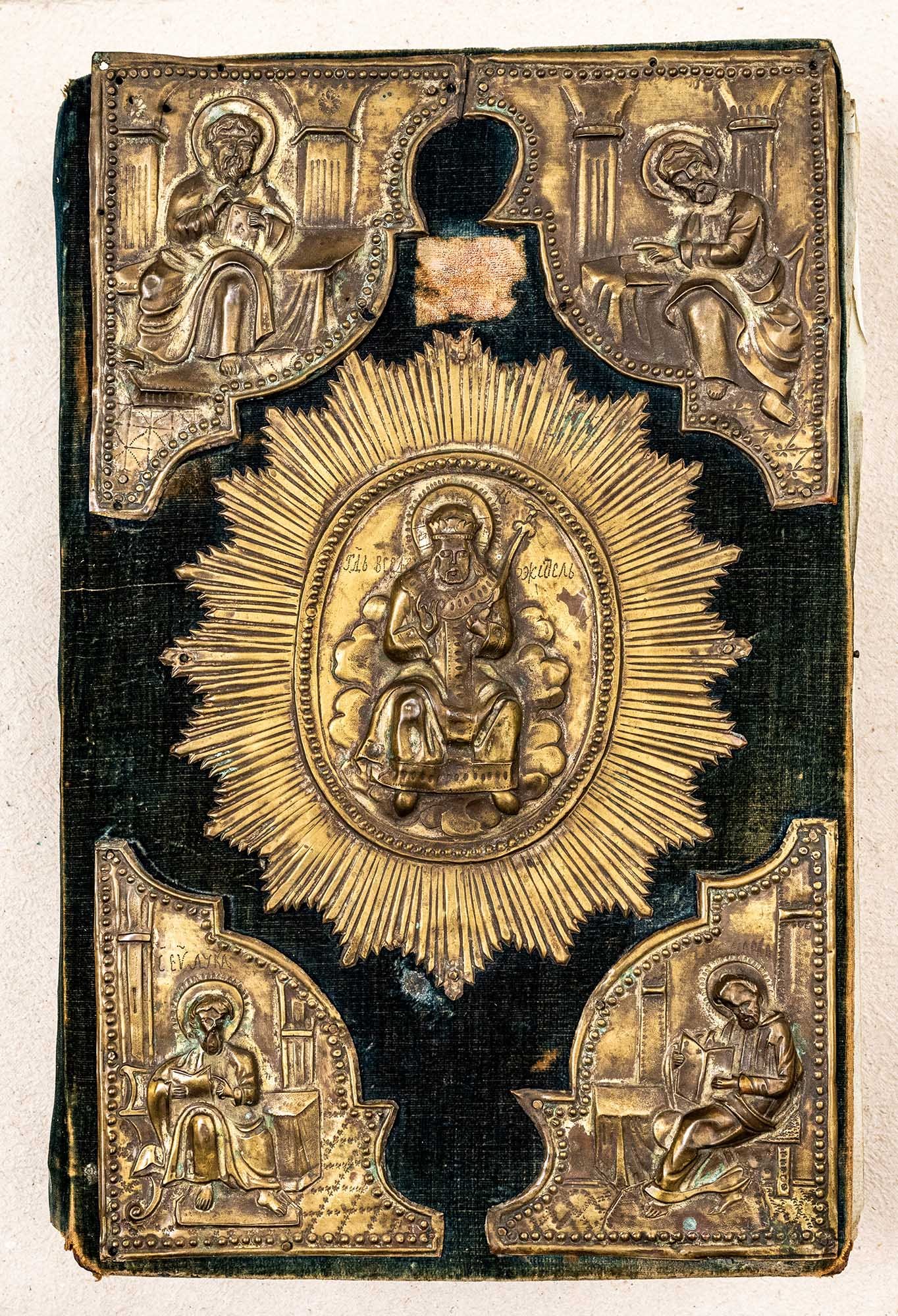
The fund also preserves Holy Gospels transferred from various churches and monasteries of Samegrelo. After the Revolution, most were written in Nuskhuri and Khutsuri scripts or printed, some bound in velvet covers, others entirely in embossed metal bindings. Their covers display diverse compositions, inscriptions, and depictions of major Christian feasts.