Christian Art Fund
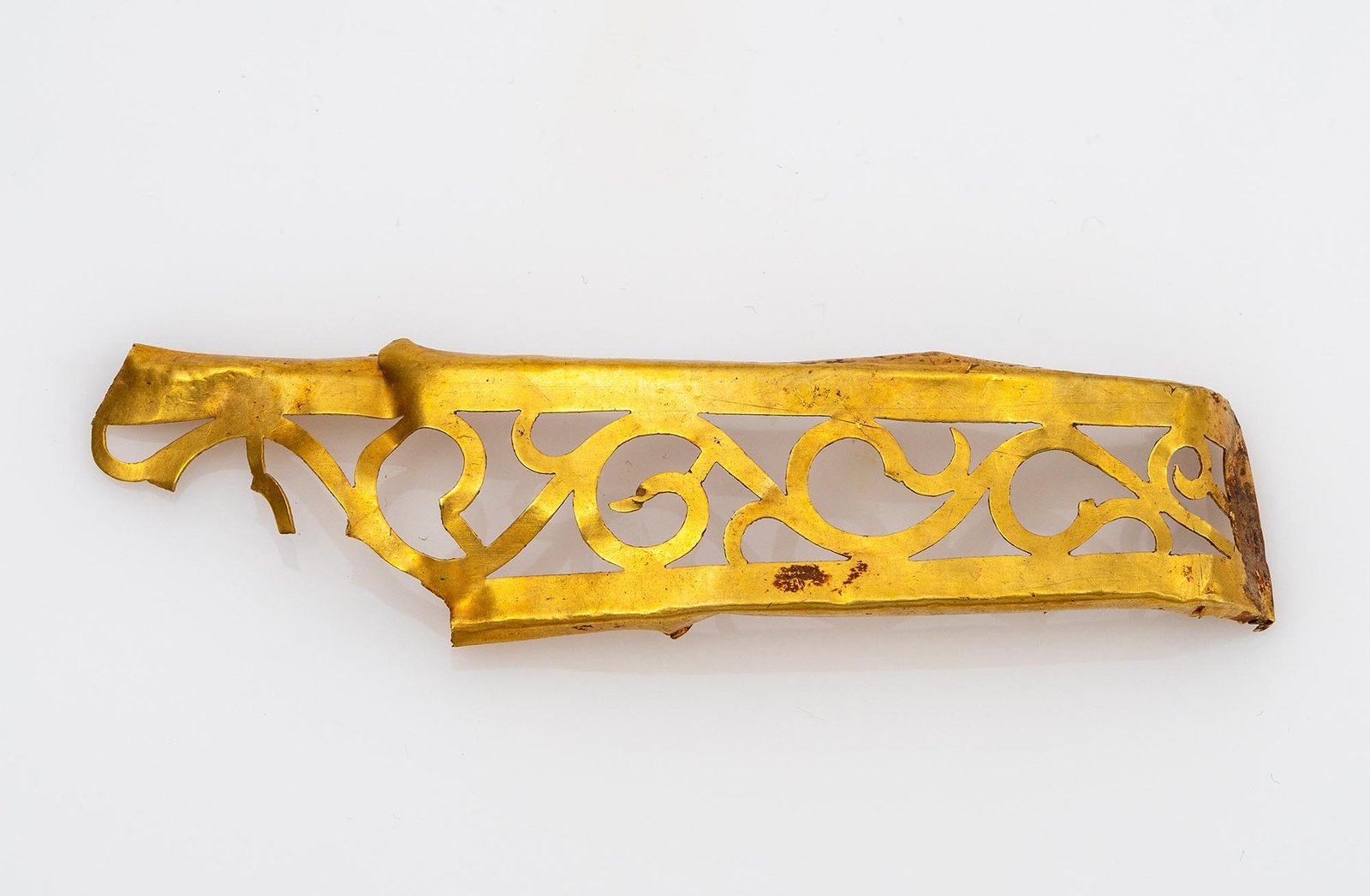
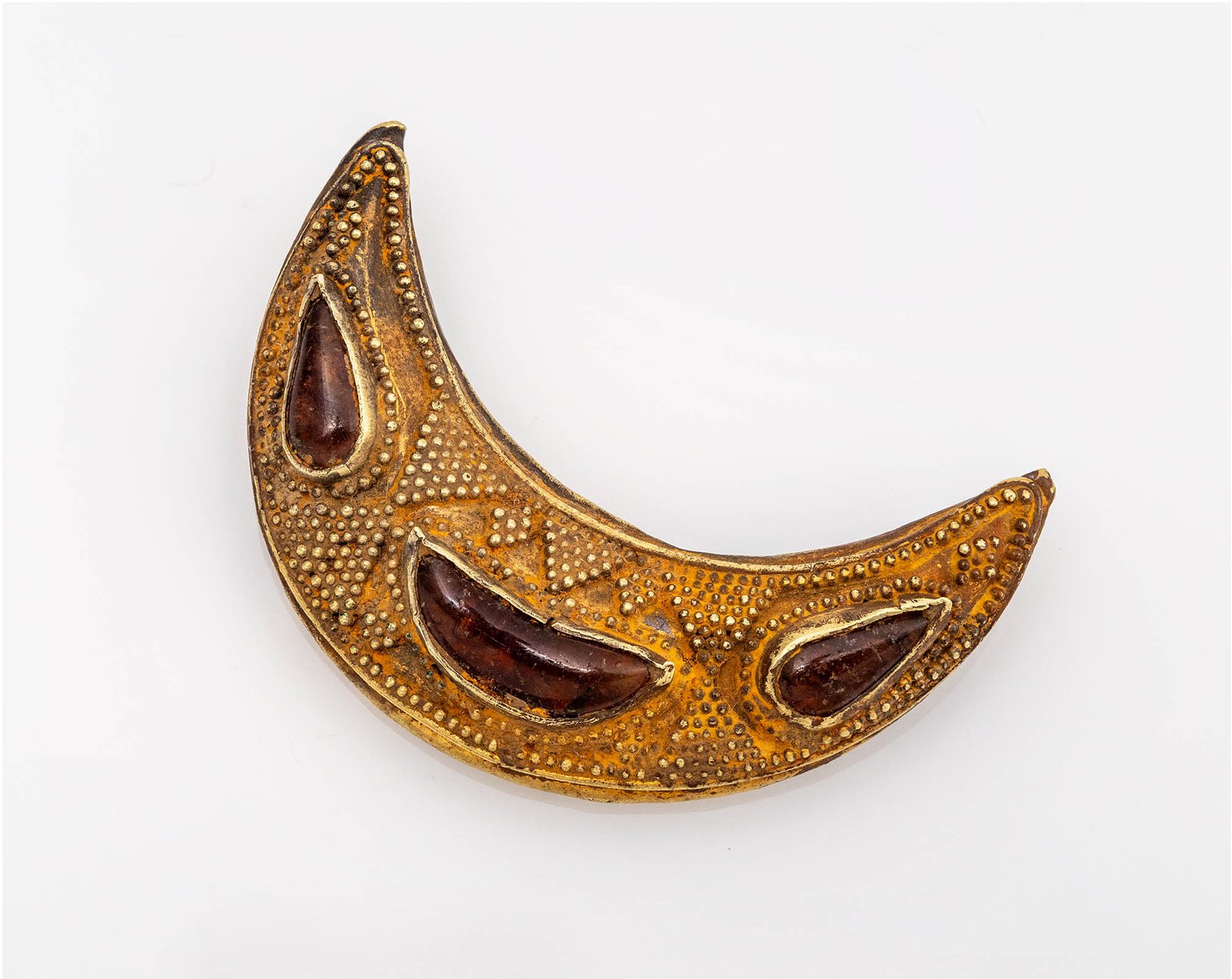
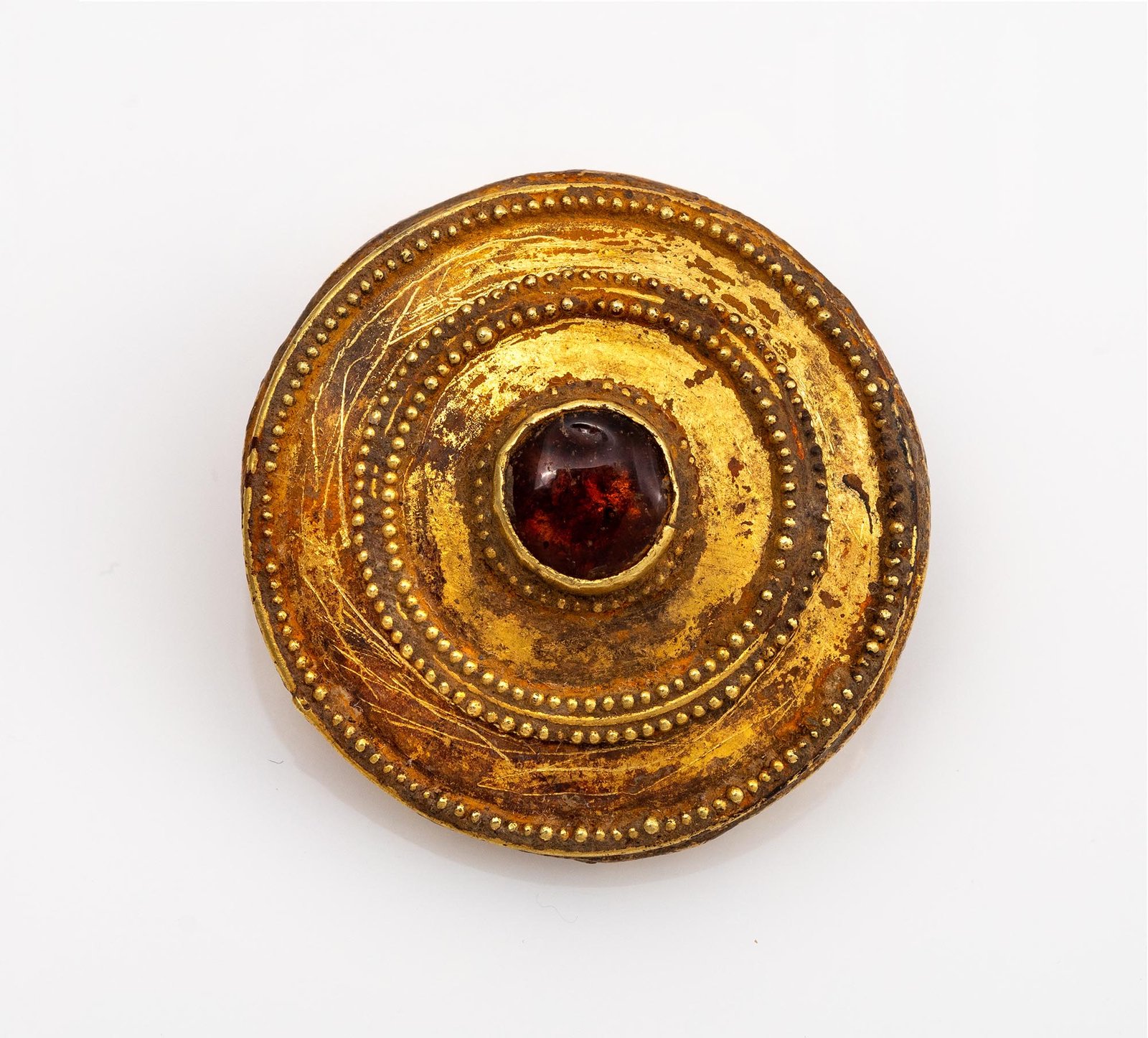
Within the Christian Art (Treasury) Fund are preserved some of the finest specimens of Colchian goldsmithing. Among them, the so‑called “Tagiloni Treasure,” discovered in 1930 on the right bank of the Enguri River, is of particular importance. This assemblage includes a golden stag’s head, components of gold jewelry, silver cups, and phialai, dated to the first–second centuries AD.
A notable riton closely resembles the Parthian silver stag‑headed vessel and the goat‑headed golden cup unearthed in Bulgaria, dated to the sixth–fifth centuries BC, which may be analogous to Scythian‑Kuban artifacts preserved in the Hermitage.
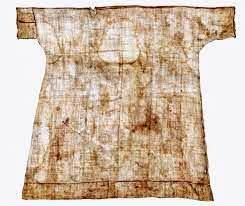
The repository also safeguards sacred relics of the Christian faith: the Robe of the Virgin, together with holy relics including the arm of Saint Marina, the hand of Saint Kvirike, and fragments of the bones of Saint George and Saint John the Baptist.

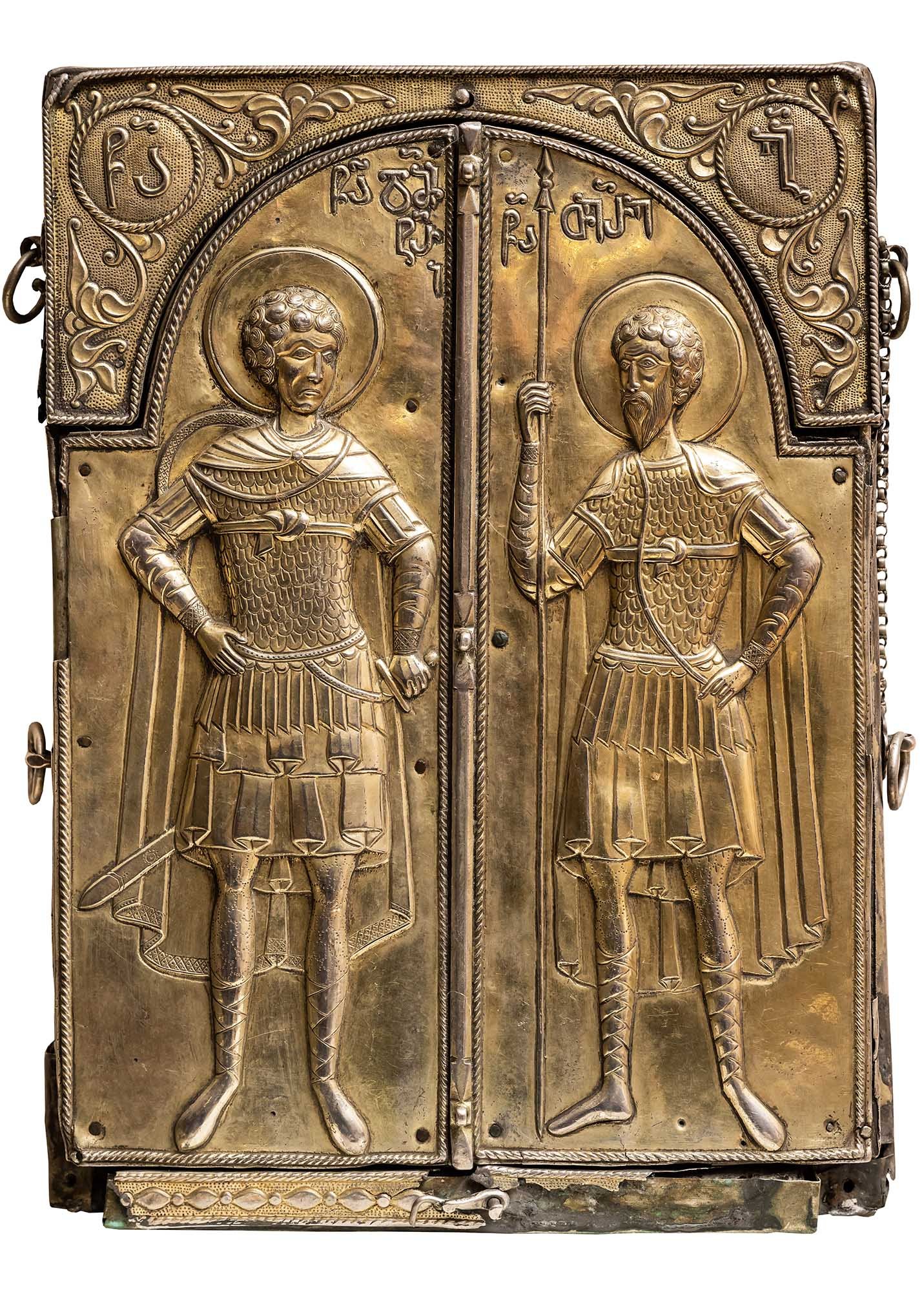
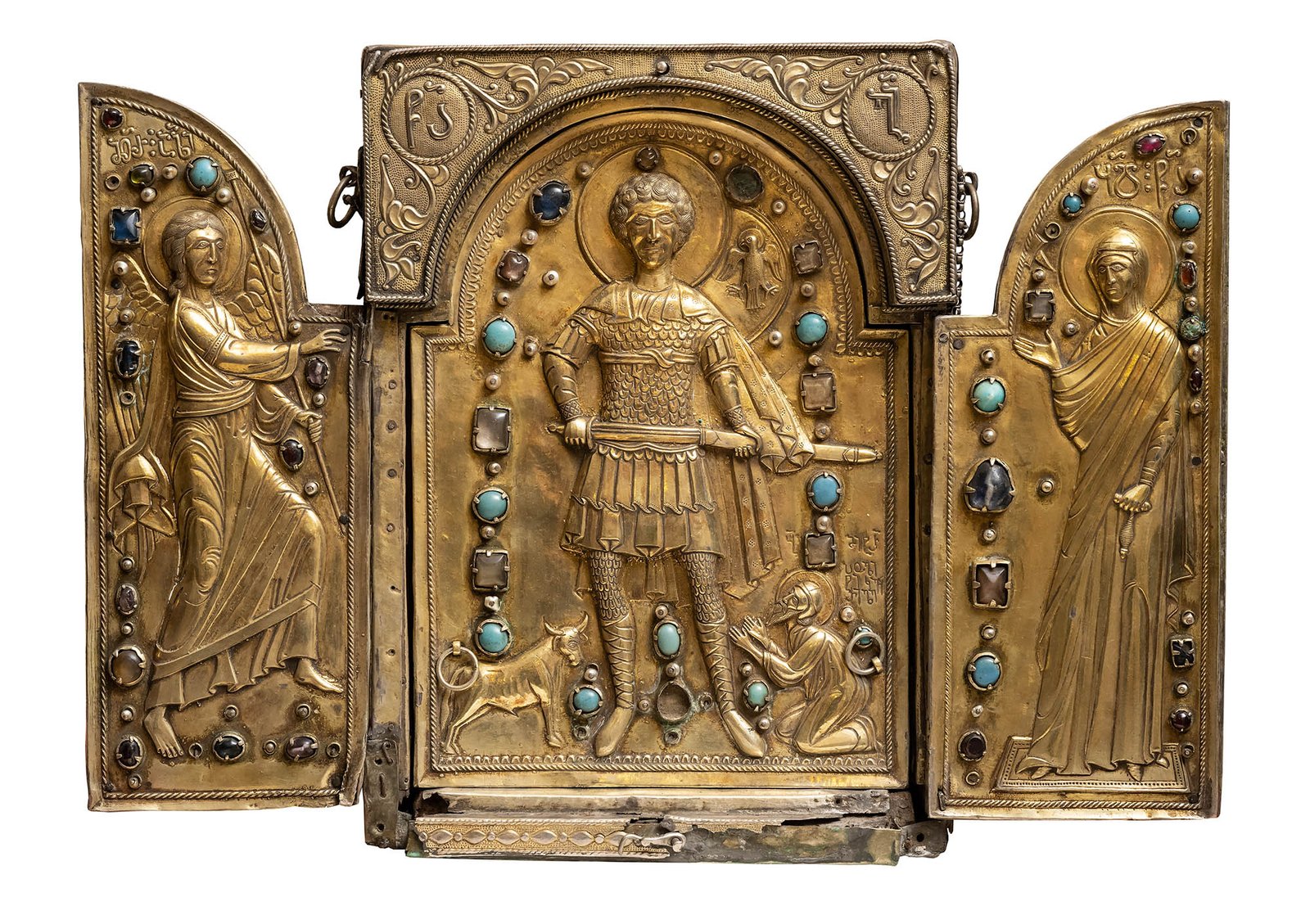
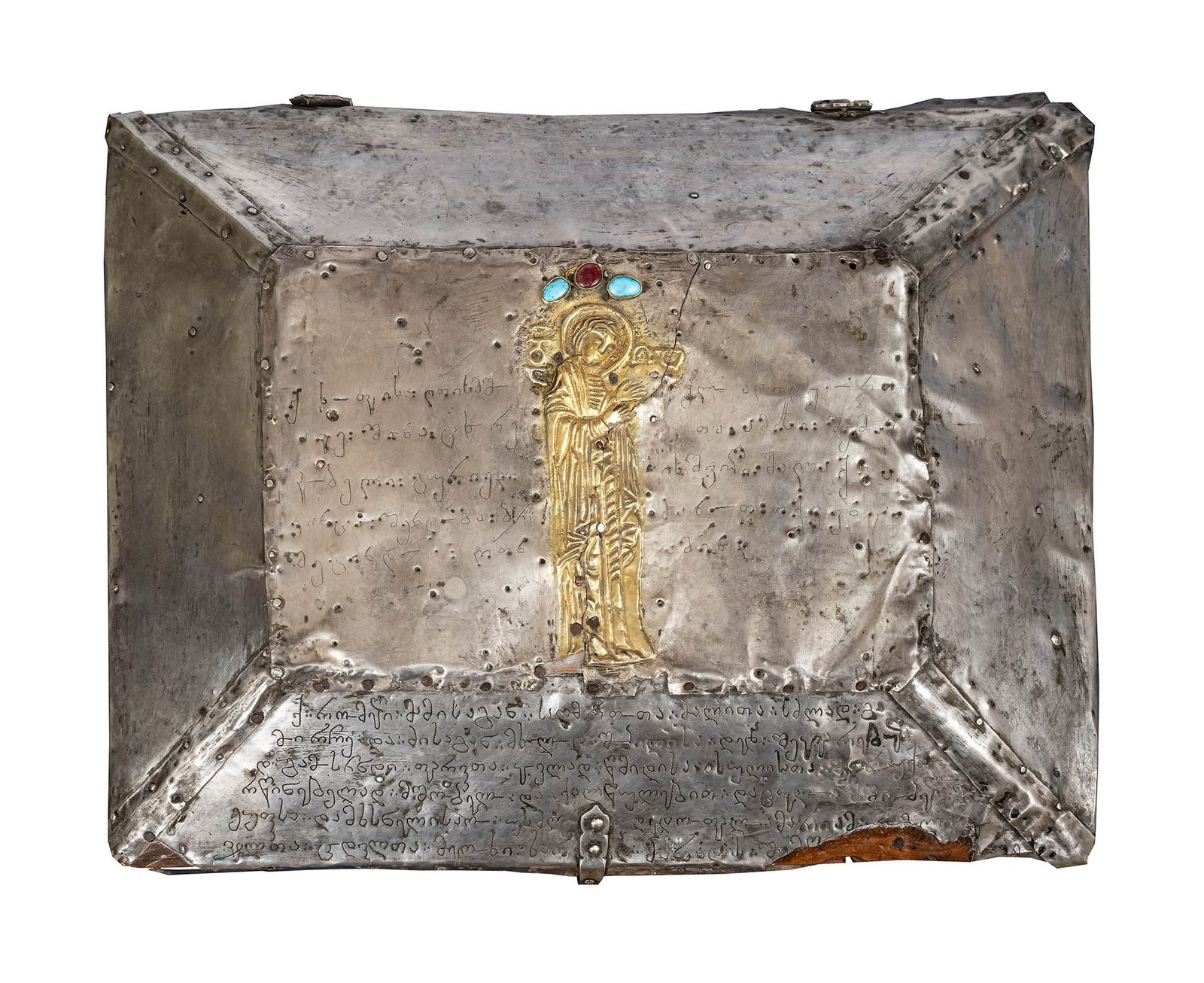
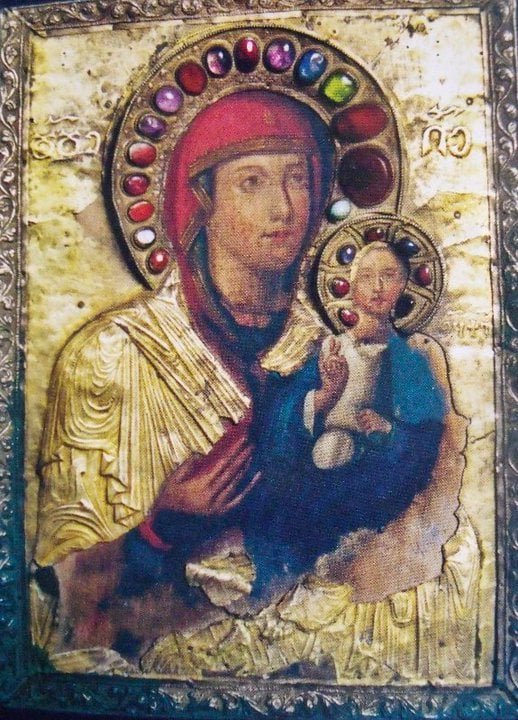
The collection also comprises crosses, icons, and specimens of repoussé art, which are of particular importance owing to the inscriptions they bear.
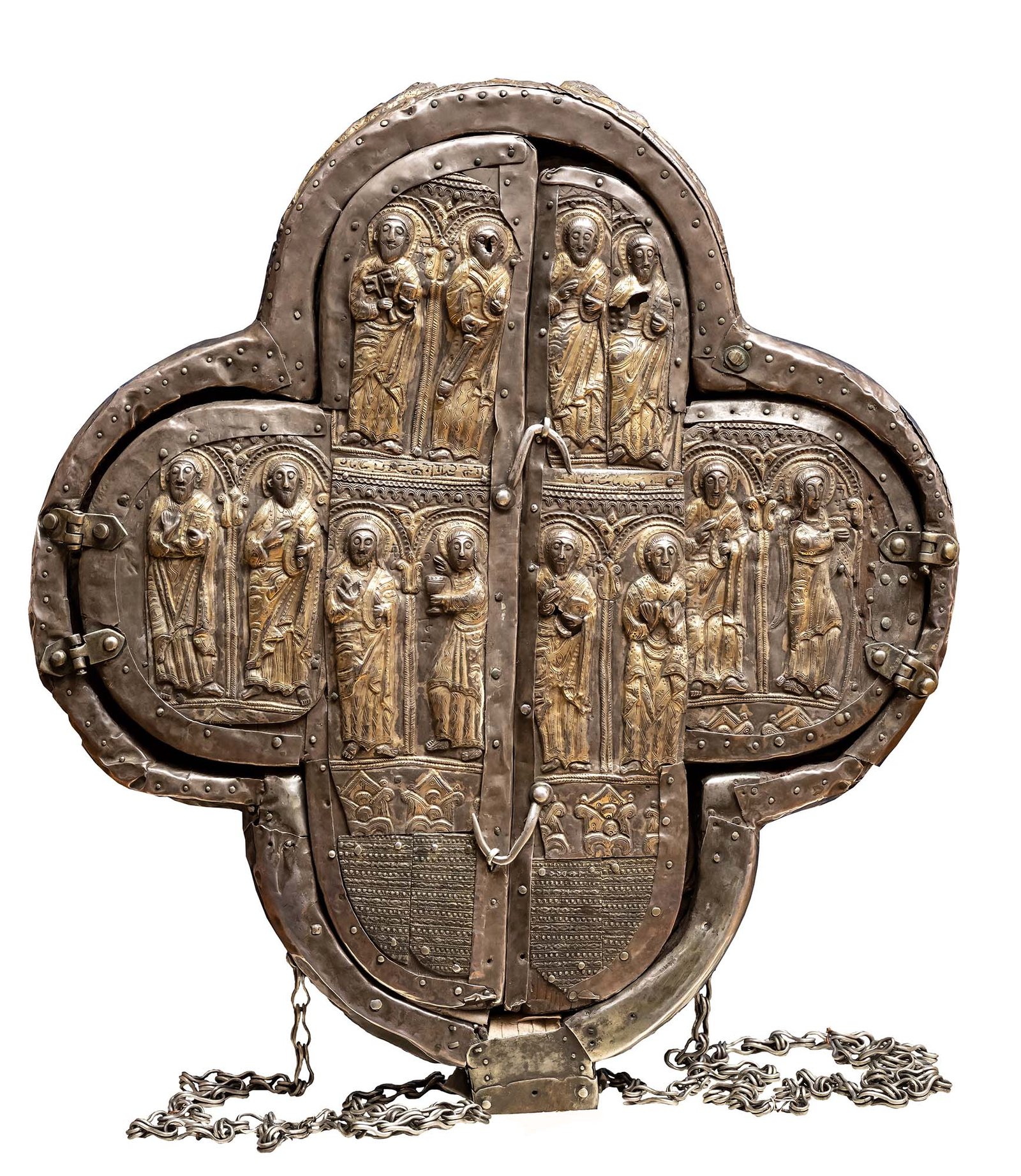
Among them is a thurible from the church of Obuji, crafted in silver, gilt, and adorned with foliate and floral ornamentation, suspended on four silver chains. According to Giorgi Chubinashvili, the thurible is dated on the basis of its inscription, engraved in Asomtavruli script at the base, mentioning Giorgi. It belongs to the tenth century, within the Kingdom of Egrisi-Abkhazia, where the church of Kiachi was located, in the vicinity of the village of Jgirdi in present-day Ochamchire district. From Georgian historical sources, King Giorgi II, who reigned between 922 and 957, is known in this context.
Equally significant is the processional cross of Tsaishi, repoussé, silver, and gilt, bearing the inscription of Bagrat, King and Kuropalates of the Abkhazians, dated to the eleventh century.
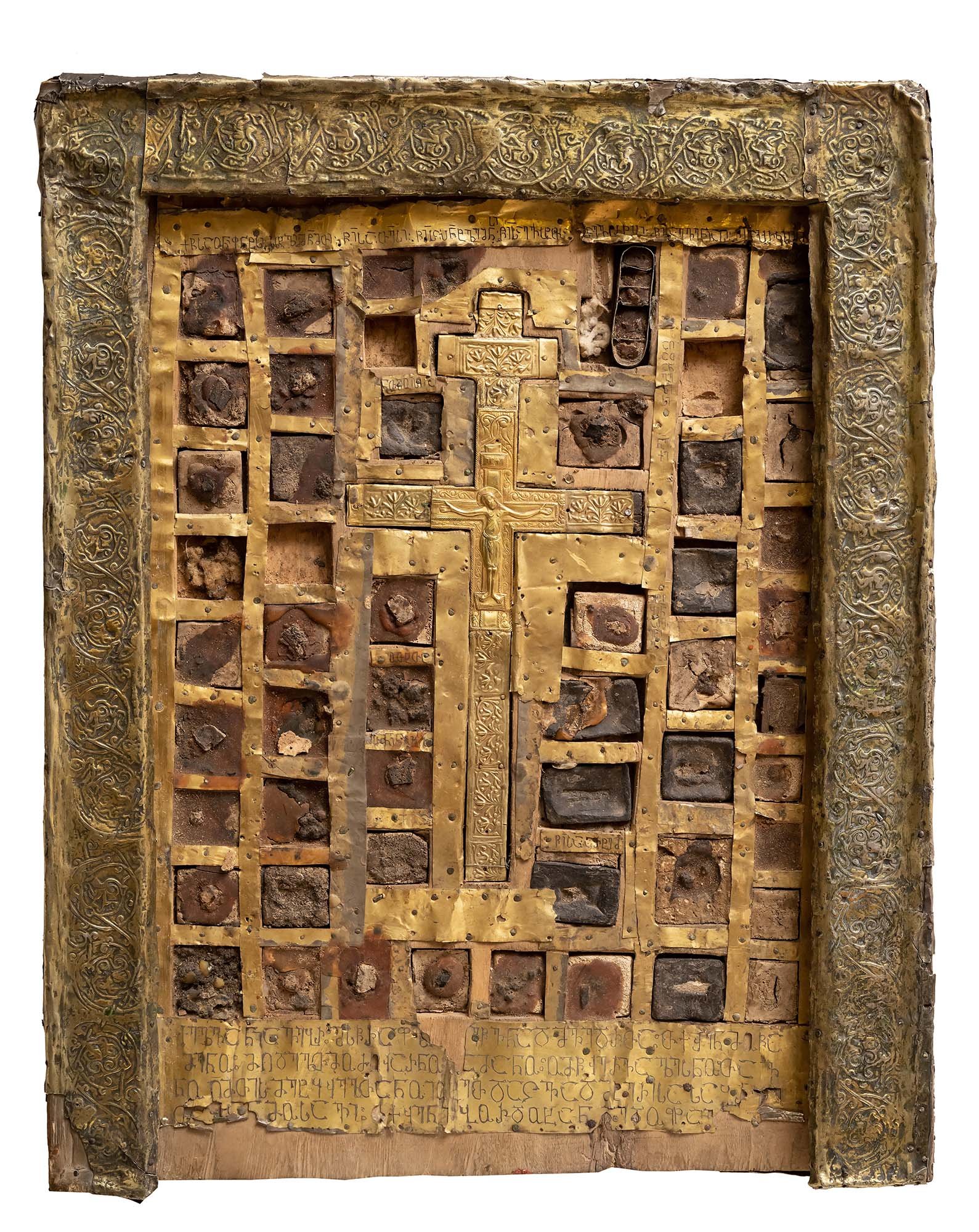
The multi-panel icon of Khobi, combining painting and repoussé silver gilt, is divided into fifty-two compartments intended for the preservation of relics. At its center is a long cross of the True Wood. Beneath the icon is an inscription mentioning Queen Bordokhan, mother of King Tamar, who, according to tradition, composed poetry. It is presumed that the five-line, twelve-syllable iambic verse inscribed on the icon may be attributed to her. According to Ekvtime Takaishvili, the icon dates to the twelfth century.
The collection further includes works by renowned Georgian goldsmiths — Philu Dzadzamidze, Idrisi, and Asatiani — such as silver belt-daggers.
Of extraordinary rarity is Napoleon’s death mask: one of only three in existence worldwide, with one preserved in Georgia at the Dadiani Museum. Cast in bronze in 1833 by Kannel and Richard, it was commissioned by his personal physician, Francesco Antommarchi.