Manuscript Fund
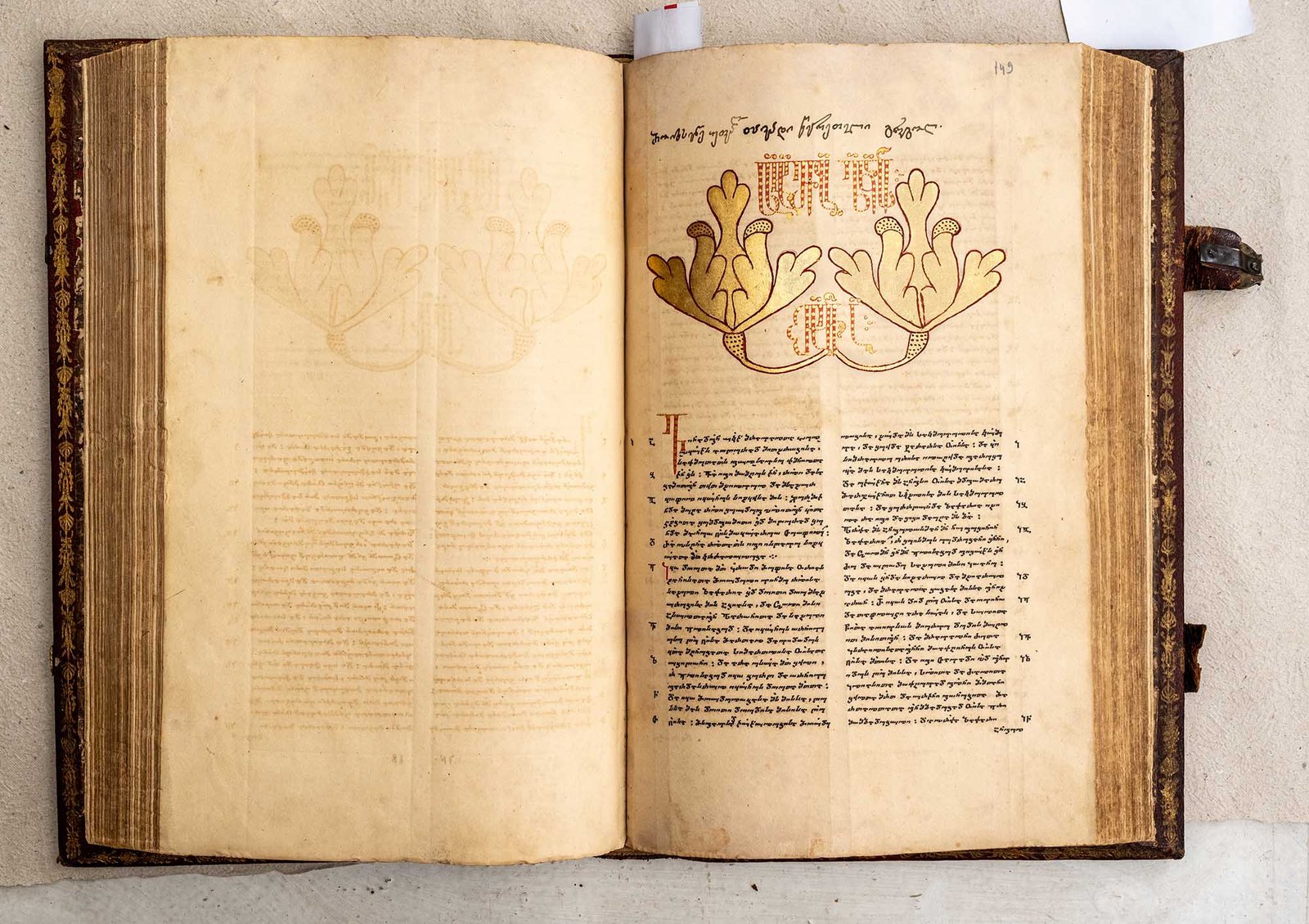
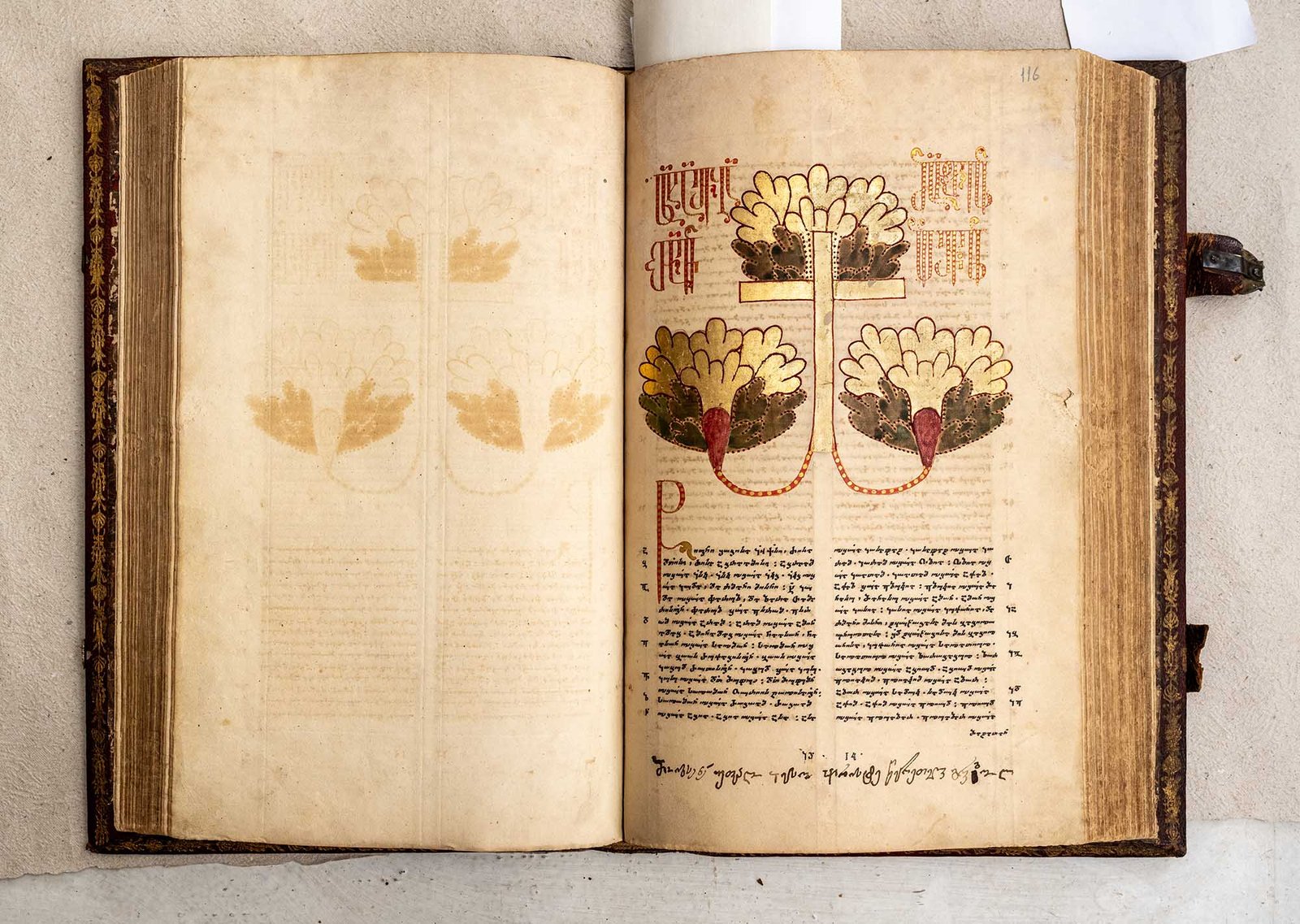
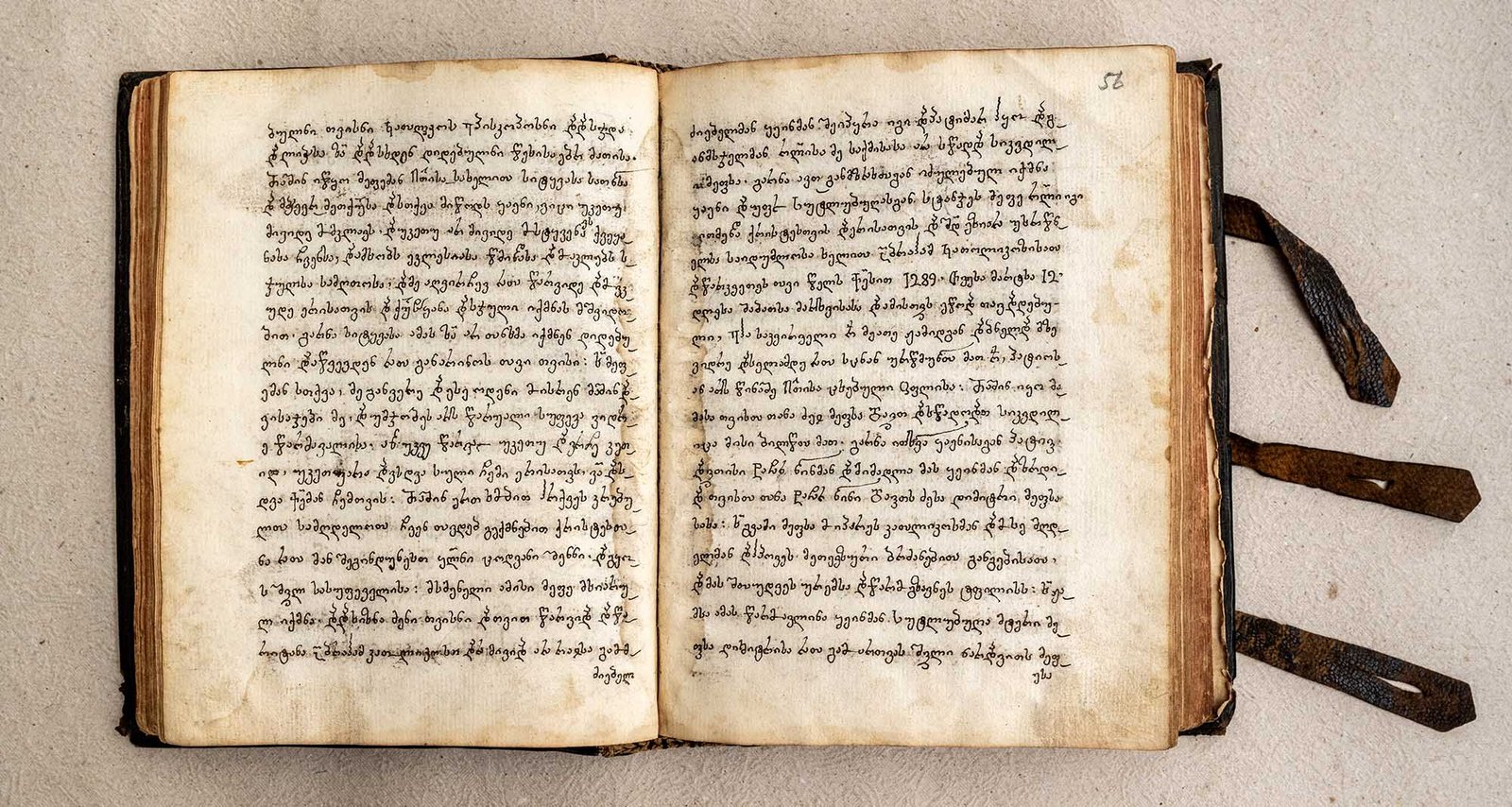
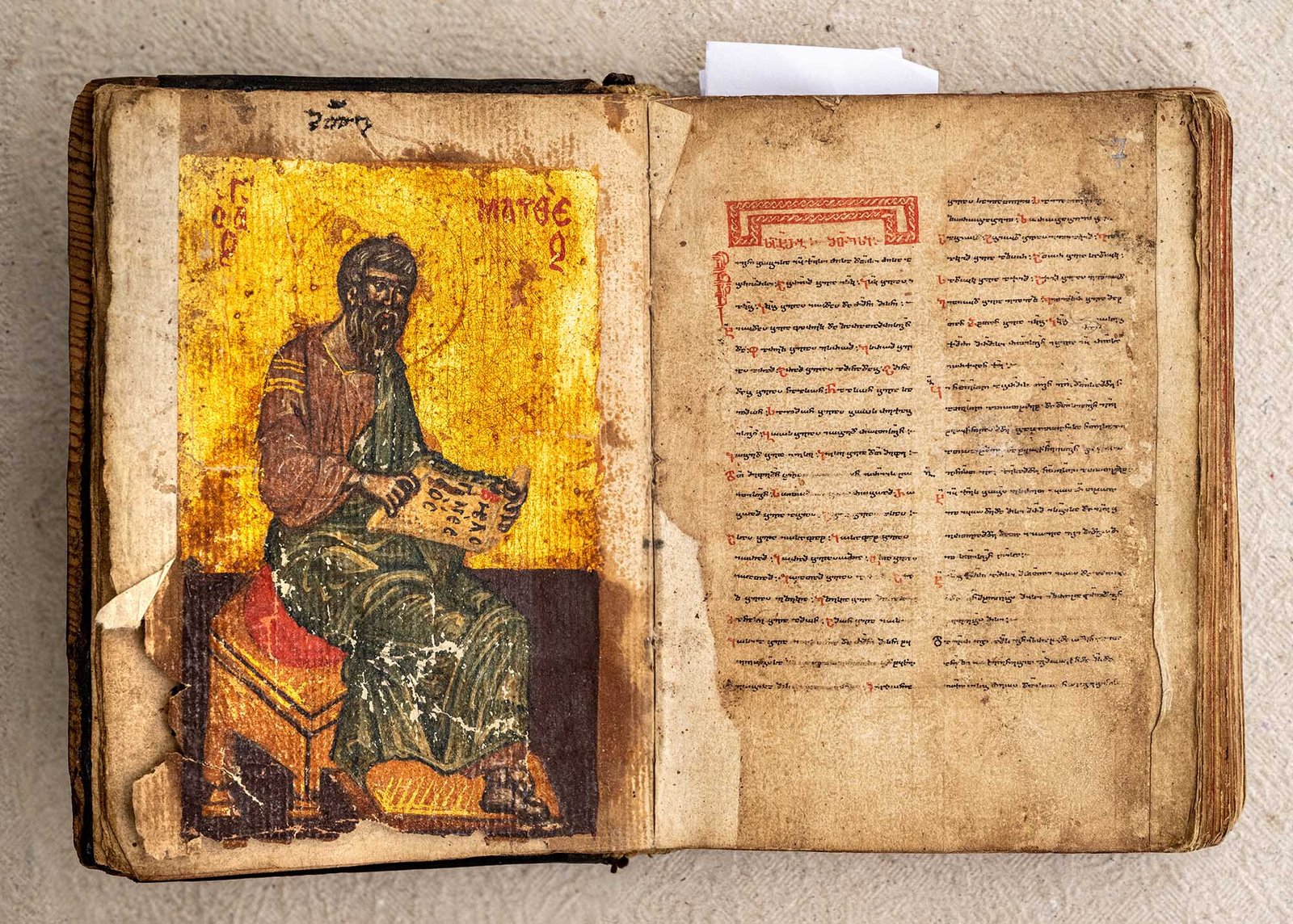
The Fund consists of various collections and preserves up to 23,000 exhibits. These collections include manuscript books; charters and decrees; inscribed objects; historical documents; literary archives; the Dadiani family’s chancery and military archives; and French documents.
The materials are primarily dated to the 19th century, with several earlier items among them. These include manuscript books: a Tetraevangelion and a translation of the Gospel of John Chrysostom — 16th century; a Tetraevangelion — 18th century; Jami-Gulani, Part II — 17th century; Psalter — 18th century; Synaxarion — 17th century; and the Tsaishi Gulani, comprising nearly 2,000 pages, dated to the 18th century.
The manuscripts are in Georgian, Russian, French, German, Italian, Persian, and Hebrew.
The literary archive preserved in the Fund is rich and significant. It contains manuscripts of poems and the epic “Battle of Rukhi” by Grigol Dadiani (brother of Prince David Dadiani); letters and chess games of Andria Dadiani; correspondence of Ekaterine Chavchavadze, the Murats, the Suttners, Emperor Napoleon III and Empress Eugénie; caricatures of The Knight in the Panther’s Skin by Mihály Zichy; Georgian-language letters of French Georgianist Marie Brosset addressed to David Dadiani; and many other important and interesting materials.
Also preserved are correspondences of renowned Georgian writers and public figures — Ilia Chavchavadze, Akaki Tsereteli, Dimitri Kipiani, Platon Ioseliani, Ivane Machabeli, Niko Nikoladze, and Iona Meunargia.
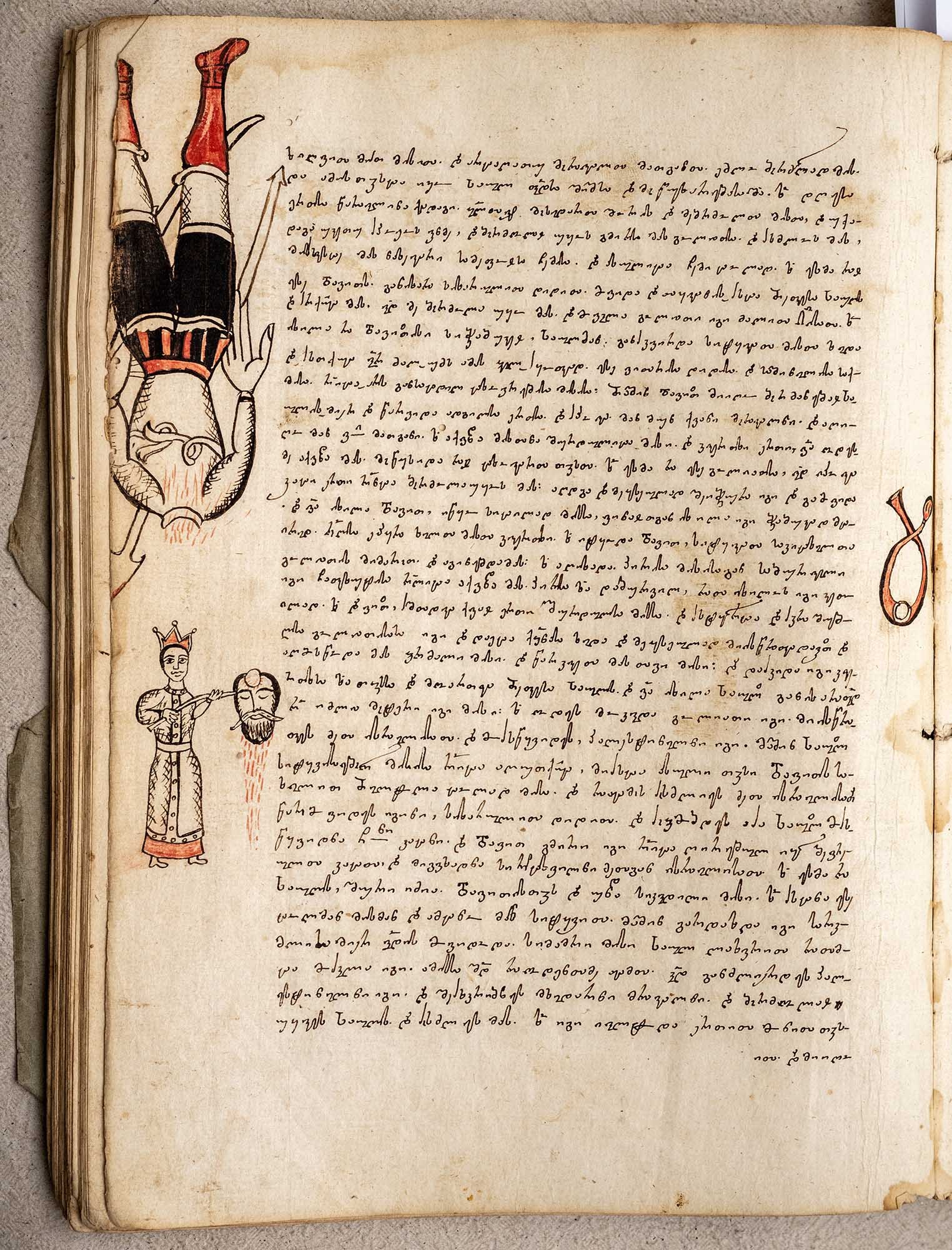
In the collection of historical documents, of particular importance are the household registers of the villages belonging to the Zugdidi district, lists of those who made confession, marriage certificates, and the collection of charters and decrees, which includes grants, donations, and blood‑feud charters.
It is well known that the last Prince of Samegrelo, David Dadiani, introduced the practice of chancery record‑keeping. Work was carried out in Georgian, Russian, and French, and it may be said that from the second half of the 19th century the Dadiani chancery archive is preserved in its entirety. The French‑language documentary material comprises letters and official documents.